
Reviewed · SPLIT
Split Cooking Class – Afternoon Edition Shared Activity
The heart of this Split experience is simple: you cook a full Dalmatian meal, then sit down to eat it with Croatian wine. You may prepare fish carpaccio, octopus salad, risotto, handmade pasta, mussels, fish stew, and dessert, depending on the day’s ingredients and your preferences. I like the hands-on format and the chance to learn recipes you can repeat at home.
I also like the small-group limit of 12 people, plus the flexibility to swap seafood for another fish dish, meat, or even chicken if needed. The main consideration is clear: this is a seafood-focused class, so tell the organizers about dietary preferences before you arrive. The four-hour session costs $210.28 per person, which is a serious price, but it includes food, instruction, wine, dessert, and a full evening activity.
Key points to know before booking
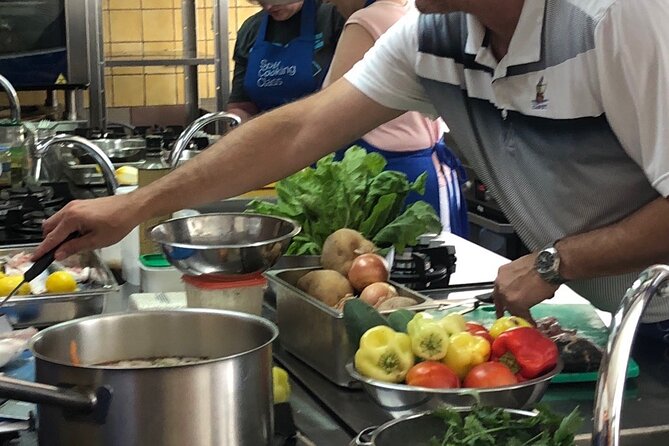
- A full Dalmatian meal: You may cook around five dishes, including fish, shellfish, vegetables, pasta, risotto, and a traditional dessert.
- Chef Bremec and his team: The class is led by Chef Bremec, with Ivana and Bruna also praised for their friendly, practical teaching.
- Small-group cooking: The maximum is 12 people, though an off-season booking can sometimes become a private class.
- Wine is part of the meal: Croatian wines accompany the cooking and the final feast, with fruit and herb liqueurs, coffee, and dessert also included.
- Seafood flexibility: Scampi, mussels, fish, and octopus feature heavily, but you can request another fish dish, meat, or chicken.
- A 5 pm start in central Split: Meet at Jobova ul. 2 and finish at the same location after about four hours.
Cooking the Dalmatian way in four hours
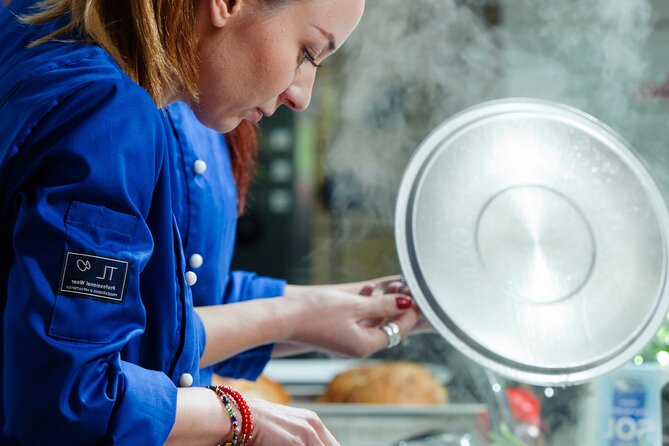
This is not a quick demonstration where you watch a chef chop onions and then receive a plate. You take part in the work. The class is built around preparing a substantial meal in stages, with the kitchen team showing you what to do and explaining the ingredients and methods along the way.
The exact menu can change. That is useful in a place where fish, shellfish, vegetables, and herbs depend on what is fresh and available. A typical class may include five dishes based on fish, prawns or scampi, mussels, local vegetables, fruit, and spices.
You may prepare homemade bread, fish carpaccio, risotto, handmade pasta, gregada, fish stew, or grilled fish. That gives the class a wider range than a single-recipe workshop. You get to see how raw ingredients move from simple preparation to a shared meal.
The class begins with a welcome snack prepared by the chef. This is a small detail, but it sets the right tone. You are not thrown straight into a technical lesson. You get a bite to eat, a drink, and time to settle into the kitchen.
More cooking classes in Split:
- Split Cooking Class
★ 5.0 · 142 reviews - Culinary Experience – Cooking Class & Walking Tour Split
★ 5.0 · 42 reviews - MEDITERRANEAN MASTER Class by Master Chef
★ 4.5 · 7 reviews
The seafood menu and your options
The sample menu is generous. It begins with fish carpaccio, tartar, and octopus salad, followed by fish cream soup. The main courses may include scampi risotto or homemade pasta, fish stew or grilled fish, shark with vegetables, and mussels prepared in buzara style.
Buzara is a classic coastal preparation in which shellfish are cooked with ingredients such as garlic, wine, herbs, and breadcrumbs. The precise recipe used in class may vary, but it gives you a useful taste of the Adriatic cooking style: fresh seafood, simple seasoning, and a sauce meant for soaking up with bread.
The food is seafood-heavy from the start. That is wonderful if you already enjoy fish, mussels, shrimp, and octopus. It is less suitable if you want a meat-centered Croatian meal.
You do have choices. The class can skip shrimp and use another fish dish. It can also include meat or other ingredients you prefer. One person who did not enjoy seafood was provided with chicken, so it is worth contacting the provider before the class rather than hoping for a last-minute change.
If you are vegetarian, have an allergy, or follow a specific diet, the supplied information does not promise a full alternative menu. Ask in advance. The kitchen is flexible, but you should not assume that every substitution is available.
From fish markets to the kitchen table
Split’s cooking traditions make more sense when you think about the city’s daily food supply. Fish, vegetables, fruit, herbs, olive oil, bread, and wine are not decorative extras here. They are the building blocks of everyday meals.
One version of this experience included a walk through Split’s fresh vegetable and fish markets before cooking. A market visit is not listed as a guaranteed part of the standard four-hour schedule, so you should not book this class expecting a formal market tour. Still, the cooking itself gives you a practical connection to those ingredients and the way they are used at home.
You may clean and scale fish, prepare bread, chop vegetables, work on dessert, and help grill or cook the main dishes. In a larger group, people may split into small teams, with one group handling fish and another preparing bread or vegetables. This keeps the class active, although it also means you may not personally handle every dish.
That is an important point. A shared class is social and usually more relaxed than private instruction, but you have less control over the menu and tasks. If you want one-on-one attention throughout, ask about a private arrangement. In the off-season, a booking has sometimes turned into a class for only two people.
Learning with Chef Bremec, Ivana, and Bruna
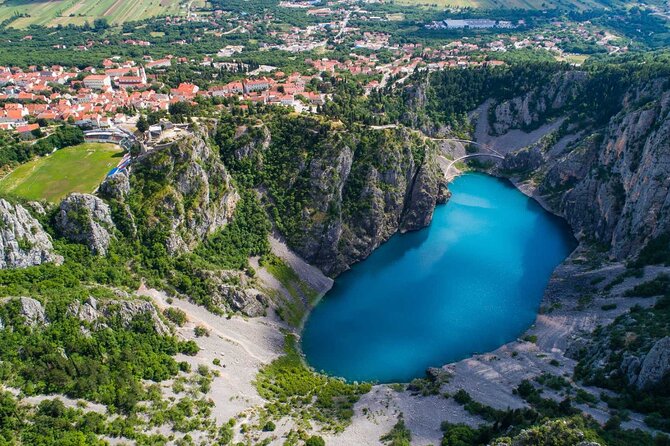
Chef Bremec is the main name connected with the class. He is assisted by a team that includes Ivana and Bruna. The teaching style appears to be friendly and practical, with an emphasis on doing rather than simply watching.
That matters for a cooking class. You want enough instruction to understand why a dish works, but not so much formal explanation that the meal never gets made. The strongest part of this format is the balance between kitchen work, conversation, wine tasting, and eating.
You can expect help with preparation, cooking methods, presentation, and small tricks that are easy to miss in a restaurant kitchen. The recipes and instructions are intended to be taken home, so the value is not limited to one meal in Split.
Still, this is not a professional chef-training course. You will learn useful methods, but the setting is social. Different people may be working on different components at once. If you prefer a quiet, highly structured lesson with exact measurements and individual correction, this may feel informal.
For most people, that informality is part of the appeal. You can ask questions, work beside other people, and enjoy the occasional mistake without spoiling dinner.
Same coastline, a completely different kind of day:
- Split: Krka Waterfalls Trip with Boat Cruise and Swimming
★ 4.8 · 10,519 reviews - From Split: Krka Waterfalls, Food & Wine Tasting Tour
★ 5.0 · 9,326 reviews - Blue cave, Mamma Mia and Hvar, 5 islands speedboat tour
★ 5.0 · 7,150 reviews - From Split: Krka Waterfalls, Food & Wine Tasting Tour
★ 4.9 · 6,598 reviews
Wine, conversation, and the final feast
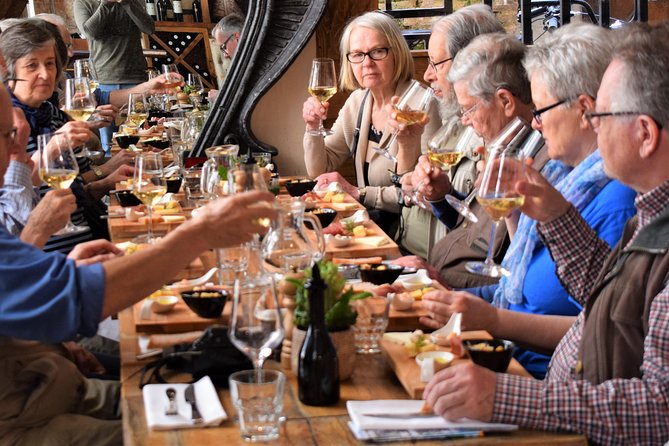
Wine is included, not added as an optional extra. Croatian wine is served alongside the food, and part of the evening can involve tasting while dishes finish cooking.
This makes the class feel like a full evening out rather than a two-hour lesson. You cook, pause, taste, talk, and return to the kitchen. The final meal brings the separate tasks together, which is especially satisfying when you have helped prepare the bread, soup, seafood, vegetables, and dessert.
The sample ending includes a traditional Dalmatian dessert with fruit and herb liqueurs, wine, and coffee. The specific dessert may vary, but you should expect a sweet course that reflects local ingredients rather than a generic international pastry.
The wine is a value factor, but it may not suit everyone. If you do not drink alcohol, the class still includes food and instruction, but the published details do not specify nonalcoholic alternatives. Ask ahead if that matters to you.
What the $210.28 price really buys

At $210.28 per person, this is not a budget meal. You could eat well in Split for far less, especially if you choose a simple local restaurant. The price makes more sense if you value the process as much as the food.
You are paying for about four hours of guided activity, a small group, all cooking ingredients, a multi-course meal, Croatian wine, dessert, coffee, and recipes to use at home. You also avoid the work of choosing ingredients, shopping, and planning a menu in an unfamiliar city.
The value is strongest for people who want an evening built around local food and conversation. It is also useful early in a Croatian trip, since you can take cooking ideas with you and use them later. If you only want to sample seafood, a restaurant will be cheaper and simpler.
The group limit of 12 helps justify the price. It does not guarantee private attention, but it keeps the session from becoming a large demonstration. Couples, families, and solo people who enjoy meeting others can all fit the format.
You should also know that the booking is non-refundable and cannot be changed after purchase. If the minimum number is not reached and the provider cancels, you will be offered another date or experience, or receive a full refund. That makes it wise to book only when your Split plans are firm.
Timing, meeting point, and practical details
The class starts at 5 pm at Jobova ul. 2, 21000 Split. It ends back at the same meeting point after roughly four hours, so plan on finishing around 9 pm, though cooking times can vary.
An evening start works well. You can spend the earlier part of the day sightseeing, then move into a slower food-focused activity. It also means the class takes up most of your evening, so do not pair it with a late concert, timed museum visit, or restaurant reservation.
The activity is offered in English and uses a mobile ticket. Confirmation is provided when you book. The meeting point is near public transportation, which is helpful if you are staying outside central Split.
The maximum group size is 12. Because the class involves food preparation, expect to stand and work in the kitchen for part of the session. The supplied details do not give specific accessibility information, so ask the provider directly if you need step-free access or seating arrangements.
Bring an appetite and arrive ready to participate. You are not just collecting a plate at the end. You may be cleaning fish, stirring risotto, preparing bread, or helping with dessert.
Who will enjoy this class most?
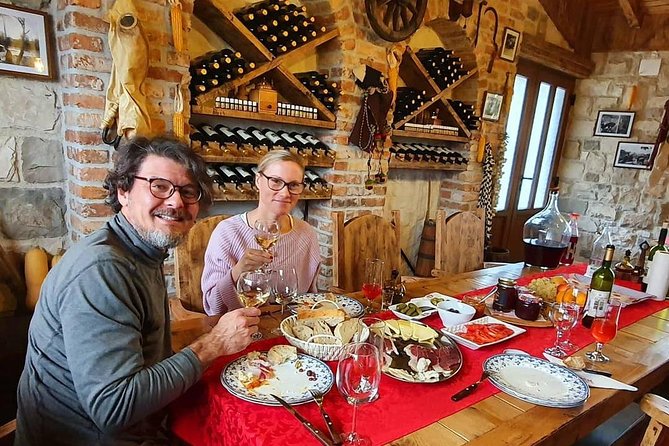
I would choose this experience if you like food, want direct contact with local cooking, and enjoy a relaxed social setting. It suits couples particularly well, including honeymooners, because you share a task and finish with a meal rather than sitting quietly across from each other in a restaurant.
It also works for families and groups of friends. A larger party can divide into kitchen teams, making the work feel communal. Solo people may find it an easy way to meet others, though the social side depends on the group on your particular date.
Seafood fans are the natural audience. If fish, shellfish, and octopus are your idea of a good dinner, the menu gives you plenty to look forward to. If you dislike seafood, you can request changes, but you should arrange that before booking.
I would be less likely to recommend it to someone who wants a short activity, a strict cooking syllabus, or a low-cost meal. Four hours is a long time if you are only mildly interested in food. The class rewards curiosity and participation.
Should you book the Split Cooking Class?
Book it if you want to do more than eat Croatian food. The best parts are the hands-on work, the flexible seafood menu, the small group, and the chance to take recipes home. The wine and full meal help make the high price easier to accept.
Before paying, confirm any food restrictions and ask about substitutions. Also make sure a 5 pm start and a four-hour commitment fit your schedule. For seafood lovers and couples seeking a social evening, this is a strong choice. For anyone wanting a cheap dinner or a guaranteed meat-free menu, choose something else.
FAQ
Where does the Split Cooking Class begin?
It begins at Jobova ul. 2, 21000 Split, Croatia.
What time does the class start?
The class starts at 5 pm.
How long does the cooking class last?
The activity lasts approximately four hours and ends back at the meeting point.
How many people can join the class?
The maximum group size is 12 people.
Is wine included?
Yes. Croatian wines are included with the meal. The sample menu also includes fruit and herb liqueurs, coffee, and dessert.
Can the menu be changed if I do not eat seafood?
The class can skip shrimp and prepare another fish dish, and it may include meat or other preferred ingredients. Chicken has also been provided for someone who did not eat seafood. Contact the provider before booking to discuss your needs.
Just added around Split
- From Makarska : Wine Tasting Grabovac Tour★ 4.5 · 30 reviews
- Essential Diocletian’s Palace Tour for First-Time Visitors★ 4.8 · 19 reviews
- Unique vintage Tomos moped tour Split – Back to the ’80s★ 4.8 · 17 reviews
- Walking Tour Split★ 4.7 · 61 reviews
- Trogir; Private walking tour of higlights of Trogir★ 4.7 · 3 reviews
- Trogir: White Lagoon, Maslinica & Blue Lagoon Speedboat Tour★ 4.8 · 11 reviews
- Trogir 1.5-Hour City Tour★ 4.4 · 37 reviews
- Split: Trogir Open Top Bus Trip + Free Split Walking Tour★ 4.1 · 17 reviews