
Reviewed · SPLIT
Croatia Island Hopping: Dalmatia from Split (8 days)
Croatia’s Dalmatian coast is made for a trip like this: one day you’re inside Roman ruins in Split, the next you’re crossing the water to Hvar, then strolling Venetian-era lanes in Korčula before finishing beneath Dubrovnik’s great walls. This eight-day route gives you the shape of a classic coastal holiday without requiring you to book every hotel, ferry, and transfer yourself.
I especially like the balance between organized transport and free time. You get walking tours and help with the complicated parts, but you still have open hours to sit by the sea, visit a museum, book a wine outing, or simply get pleasantly lost. The small maximum of 10 people is another plus.
The main caution is that this is an independent package, not a fully escorted tour. Hotel locations and quality can vary, some transfers may require patience, and early arrivals can mean dropping your bags before your room is ready.
Key points to know before booking
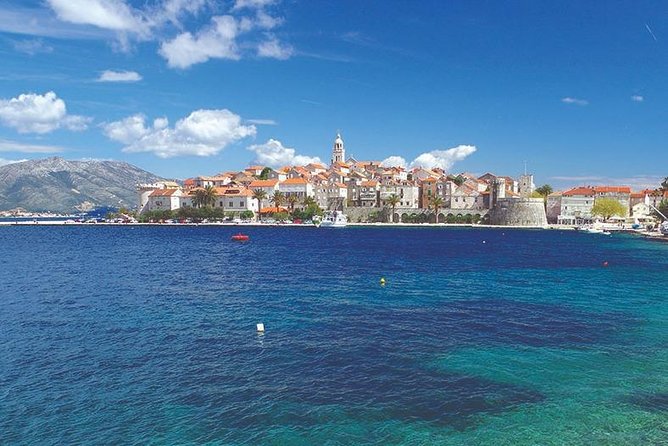
- Four memorable bases: Split, Hvar, Korčula Town, and Dubrovnik each offer a different taste of Dalmatia.
- Transport is arranged: Ferry, catamaran, boat, and shared land transfers are included, which removes much of the usual island-hopping stress.
- Free time matters: This is not a packed sightseeing march. You have room for beaches, cafés, museums, and optional boat trips.
- The guided walks add context: Iris in Split, Nikol in Hvar, and Ivanna in Dubrovnik are among the guides associated with the program.
- Hotel location needs checking: Hvar hotels have been praised for their position, while Split and Dubrovnik lodging may be farther from the most attractive central areas.
- The price buys convenience: At $1,483.31 per person, seven nights, five breakfasts, transfers, ferry tickets, and guiding make this useful for people who value planning help over absolute control.
Why this route works so well
The smart idea here is the direction of travel. You begin in Split, Croatia’s main coastal city, then move south by water and road through two islands before ending in Dubrovnik. You are not wasting days backtracking.
Each stop also has its own character. Split is a living Roman city with a busy modern center. Hvar mixes old stone streets with a polished waterfront and a strong summer social scene. Korčula feels more medieval and compact. Dubrovnik provides the grand finale, with walls, palaces, churches, and sea views.
The program also leaves space for your own style. You can spend Hvar in a café or seek out another village. In Dubrovnik, you can choose between a quiet day on Lokrum, an Elafiti Islands excursion, or more time inside the Old Town.
That freedom is valuable because coastal Croatia can tempt you into overplanning. You have enough structure to keep moving, but not so much that every hour is spoken for.
Other Split days people book alongside this one:
- Split: Krka Waterfalls Trip with Boat Cruise and Swimming
★ 4.8 · 10,519 reviews - From Split: Krka Waterfalls, Food & Wine Tasting Tour
★ 5.0 · 9,326 reviews - Blue cave, Mamma Mia and Hvar, 5 islands speedboat tour
★ 5.0 · 7,150 reviews
Day 1: A soft landing in Split
Your arrival transfer meets you at Split Airport or your Split hotel. At the airport, the driver waits in the Arrivals Hall with a sign bearing your name, after you collect your luggage.
That small service matters after a flight. You do not need to work out the local transfer system while tired and carrying bags. The first night is in Split, giving you a chance to settle in before the sightseeing begins.
Do not expect much touring on arrival day. This is mainly a practical start, and your energy will depend on your flight. If you arrive early, ask the hotel whether it can hold your bags before check-in.
Day 2: Roman Split and the ferry to Hvar
The late-morning walking tour is one of the strongest parts of the trip. Split’s Diocletian’s Palace is not an isolated ruin behind a fence. It forms the core of the modern city, with around 3,000 people living among its Roman walls, medieval lanes, shops, restaurants, and cafés.
That makes the tour more useful than a quick photo stop. A guide can help you understand how the emperor’s retirement estate became an active city center. Iris has led the Split walk for this program, and the guided introduction gives you a good base for returning on your own later.
After the tour, you take a ferry or catamaran to Hvar. The exact sailing matters, since boats can be affected by weather and seasonal schedules. Keep your day bag easy to carry and retain access to your tickets and transfer information.
The first hotel in Split may not be in the most appealing part of town. One property used for the program was described as being about 15 minutes from the attractive old center, surrounded by car parks and less inviting buildings. If central location is important to you, ask about the hotel before booking or inquire about a paid upgrade.
Day 3: Hvar beyond the party image
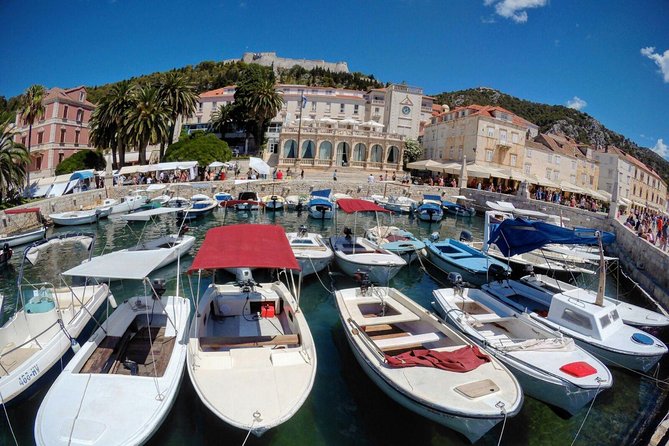
Hvar Town is famous for its waterfront, nightlife, lavender, wine, and reputation as Croatia’s sunniest island. That image is only part of the story. The town also has old churches, stone lanes, historic squares, and Europe’s oldest theatre.
You have the day to explore at your own speed. A walking tour may be arranged with Nikol, who has been praised for leading the Hvar visit, but the program also leaves substantial time for personal exploration.
This is where the independent format works well. You might stay in Hvar Town and focus on its architecture and waterfront, or use your time for a trip toward Jelsa, Vrboska, or the vineyards of Ivan Dolac. The supplied information does not promise a specific island excursion, so treat those ideas as possibilities rather than included activities.
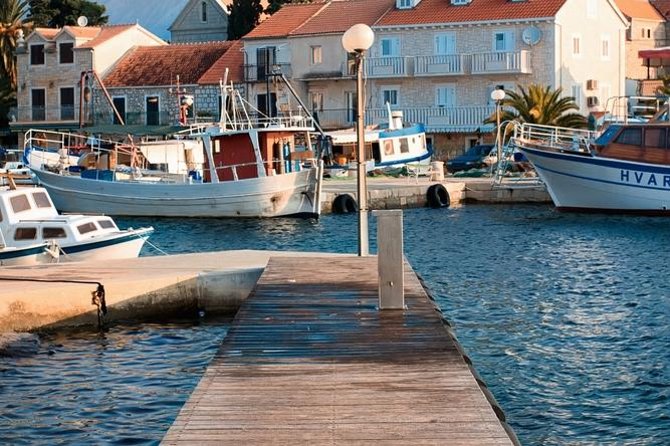
Hvar is also the stop where hotel location appears most favorable. A well-positioned hotel lets you return during the day, change clothes, rest, and head out again without arranging transport. That convenience can make a real difference during the busy summer season.
Same coastline, a completely different kind of day:
- From Split: Krka Waterfalls, Food & Wine Tasting Tour
★ 4.9 · 6,598 reviews - Split/Trogir: Blue Cave, Mamma Mia, Hvar and 5 Island Tour
★ 4.6 · 6,320 reviews - Blue Lagoon & 3 Islands Cruise with Lunch from Split
★ 4.5 · 5,756 reviews - Split: Old Town and Diocletian Palace Walking Tour
★ 4.9 · 4,727 reviews
Day 4: A final Hvar morning, then Korčula
You get another morning on Hvar before leaving in the afternoon by boat for Korčula. This split schedule is sensible. One full day gives you a first look at Hvar, while the extra morning prevents the island from feeling like a rushed overnight stop.
The boat ride is part of the appeal, but it also introduces the trip’s main practical variable. Weather can disrupt island sailings. On one occasion, a canceled catamaran required an alternate route, and the replacement arrangements were handled quickly. That is exactly the kind of help you are paying for here.
You arrive in Korčula in the evening. This is one point where you should pay close attention to the transfer instructions. A late arrival pickup was missed on one trip, leaving the travelers to walk with their bags to the hotel in the dark. That appears to have been an exception, but it is a useful reminder: confirm the meeting point, keep the local contact details handy, and do not assume every handoff will be obvious.
Day 5: Korčula Town, then south to Dubrovnik
Korčula Town is compact, handsome, and easy to explore on foot. Its curved lanes, stone churches, palaces, and lion symbols reflect its former Venetian connections. You can spend the morning and early afternoon walking without needing a rigid sightseeing plan.
This stop has a different feel from Hvar. Hvar is more open and social, while Korčula Town rewards slow wandering. Look upward at the façades, follow the narrow streets toward the water, and allow time for a meal or coffee rather than treating the town as a quick photo stop.
In the early afternoon, you transfer to Dubrovnik. This is a travel day, so do not schedule a demanding activity for the evening. The driver service has received strong praise, with drivers described as punctual, helpful, and informative.
The Dubrovnik hotel may not be inside the Old Town. One property used by the program was about a 20-minute walk away, with a bus ride needed for the return journey because of the uphill route. Its position was useful for access to the beach, but the rooms were described as small and the service as indifferent. Ask for the exact hotel and location if room size, elevator access, or central access matters to you.
Day 6: Dubrovnik’s stone streets and big views
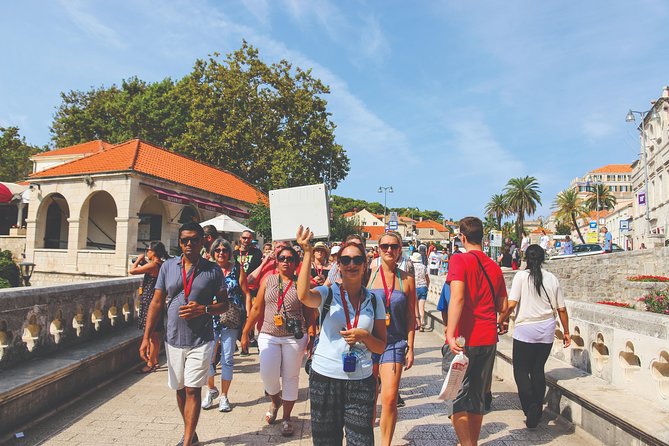
Dubrovnik deserves a full day. The included walking tour introduces the Old Town, a UNESCO World Heritage Site filled with medieval streets and Baroque façades. The Franciscan Monastery, Church of St. Blaise, and Rector’s Palace are among the major sights along the way.
Ivanna has led the Dubrovnik walk for this program. A guided visit is useful here because the city can become crowded, especially when cruise ships are in port. One point to note is that the walk may be shared with a larger cruise-related group, so it may feel less personal than the smaller overall tour size suggests.
Afterward, walk the city walls if you have the energy. The raised route gives you a different view of the streets and the water, though it is not part of the included package. The cable car to Srđ hill is another optional expense and offers wide views over Dubrovnik and the coast.
The program says optional sightseeing is not included. Budget separately for the walls, cable car, museums, boat trips, and other activities. This lets you choose according to your interests rather than paying for a fixed bundle.
Day 7: Lokrum, the Elafiti Islands, or a slower Dubrovnik day

A second Dubrovnik day is a good choice. After several hotel changes and boat rides, you may want a slower morning rather than another major sightseeing push.
Lokrum is the easiest suggested outing. Boats leave from the Old Town harbor, and the island offers thick stands of holm oak, pine, and laurel, along with peacocks and rabbits. The Elafiti Islands are another option, with beaches, walking paths, historic sites, and food. These excursions are optional, so check the cost and departure arrangements locally.
You can also use the day for the parts of Dubrovnik you missed. Return to a church, spend time at a museum, sit in a square, or revisit the harbor when it is quieter. The freedom is useful because Dubrovnik is better enjoyed in pieces than rushed through in one long checklist.
Hotels, transfers, and the real level of comfort
Seven hotel nights are included, with three-star or four-star accommodation depending on the booking. Five breakfasts are included, not seven, so plan to buy at least two morning meals yourself.
The strongest part of the package is the movement between places. Airport transfers, shared local transfers, ferry and catamaran tickets, and assistance with ticket delivery are included. You are not left to negotiate every port transfer with luggage in hand.
The weaker part is consistency. Hotel quality and location can differ more than the package description suggests. Some rooms have been praised, while others were criticized for being cramped or poorly maintained. If you care strongly about sleeping in the Old Town or having more space, request hotel details and ask whether an upgrade is available.
The maximum group size is 10, but the Dubrovnik city walk may be combined with a larger public group. Those are two different parts of the experience, so set your expectations accordingly.
Is $1,483.31 a fair price?
The value depends on how much you dislike trip administration. For $1,483.31 per person, you receive seven nights of hotel accommodation, five breakfasts, arrival and departure transfers, island transport, shared transfers, and selected walking tours.
That is not a bargain-basement holiday, especially because optional sights and excursions cost extra. But arranging this route independently means comparing ferry schedules, finding hotels that accept late arrivals, coordinating port transfers, and solving problems when weather changes the boat plan.
I see the price as reasonable for convenience, provided you accept the possibility of average rather than special hotels. The package is especially useful for two people or a small group who want independent days but do not want to carry out all the advance planning.
Who should book this island-hopping trip?
I would choose this for an independent-minded first visit to Dalmatia. You get help with the complicated framework, then plenty of time to set your own pace.
It suits you if:
- You want Split and Dubrovnik in the same trip.
- You like ferries and island towns more than a single-resort holiday.
- You want walking tours but also free afternoons.
- You prefer arranged transfers and luggage handling.
- You can tolerate some hotel uncertainty.
- You are comfortable paying separately for major sights and excursions.
I would hesitate if you need a fully escorted tour, guaranteed central hotels, large rooms, or a detailed guide beside you every day. The program expects you to manage your free time and speak up when a transfer or hotel detail is unclear.
The cancellation terms are worth noting before you pay. A full refund is available when you cancel at least six full days before the start time. A 50 percent refund applies two to six full days before departure, and cancellations within two days are not refunded.
Should you book it?
Book this trip if your ideal Croatia holiday combines structure and independence. The route is well chosen, the transport support can save real effort, and the mix of Split, Hvar, Korčula, and Dubrovnik gives you a broad look at the Dalmatian coast.
Before paying, ask for the exact hotel names, check the walking distance to the Old Towns, and confirm how late-arrival pickups will work. Pack swimwear in your day bag for early hotel arrivals, keep all transfer contacts accessible, and leave room in your budget for Dubrovnik’s walls, cable car, and island trips.
With those checks in place, this is a practical way to see four of Croatia’s best-known coastal stops without turning your holiday into a ferry timetable exercise.
FAQ
How long is the Croatia Island Hopping tour?
The tour lasts approximately eight days, from arrival in Split on Day 1 to departure from Dubrovnik on Day 8.
Where does the tour start and finish?
It starts at Split Airport or a Split hotel and ends with a transfer to Dubrovnik Airport or another accommodation in Dubrovnik.
Are ferry and catamaran tickets included?
Yes. Boat, ferry, and catamaran tickets are included, along with assistance with ticket delivery or similar arrangements during the program.
How many hotel nights are included?
Seven nights of hotel accommodation are included, in three-star or four-star hotels.
Are meals included?
Five breakfasts are included. Other meals are not listed as included.
Are guided tours included?
Walking tours in Split and Dubrovnik are included in the program. Guides associated with the walks include Iris in Split, Nikol in Hvar, and Ivanna in Dubrovnik.
Can I participate if I am not part of a large group?
Yes. The activity has a maximum of 10 participants, and most people can take part.
Just added around Split
- From Makarska : Wine Tasting Grabovac Tour★ 4.5 · 30 reviews
- Essential Diocletian’s Palace Tour for First-Time Visitors★ 4.8 · 19 reviews
- Unique vintage Tomos moped tour Split – Back to the ’80s★ 4.8 · 17 reviews
- Walking Tour Split★ 4.7 · 61 reviews
- Trogir; Private walking tour of higlights of Trogir★ 4.7 · 3 reviews
- Trogir: White Lagoon, Maslinica & Blue Lagoon Speedboat Tour★ 4.8 · 11 reviews
- Trogir: Old Town Guided Walking Tour★ 4.6 · 76 reviews
- Trogir 1.5-Hour City Tour★ 4.4 · 37 reviews