
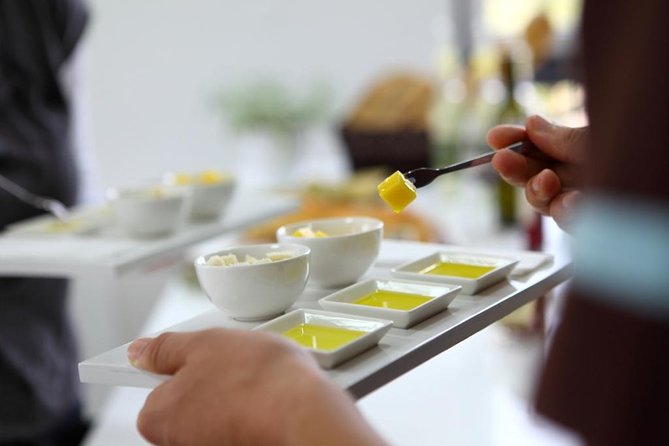
Reviewed · KLIS FORTRESS & SALONA TOURS FROM SPLIT
Olive museum Klis with educational olive oil tasting
The best part of this Klis experience is its clear focus: you learn how Dalmatian olive oil is made, then taste it with guidance instead of simply buying a bottle and hoping for the best. The visit also takes you through a working family estate, where food, essential oils, cosmetics, and local traditions meet in one place.
I like the hands-on oil tasting and the chance to compare different oils side by side. I also like the mix of indoor and outdoor stops, from the Olive Museum and distillery to the botanical gardens. The main limitation is time: 75 minutes passes quickly, especially if you want to browse the shop or linger over every tasting.
Key points to know before you go
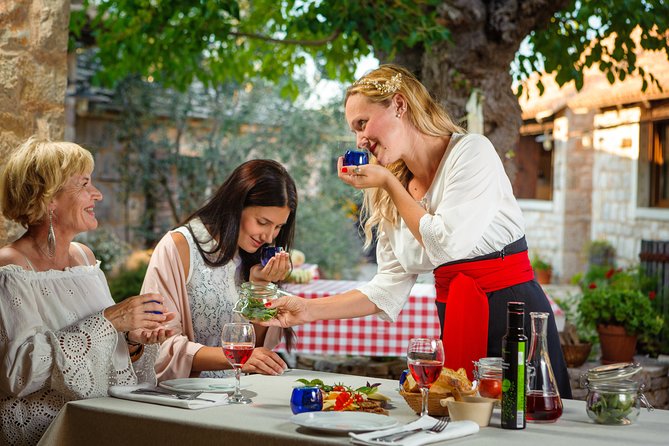
- Learn to taste olive oil properly: The tasting explains how to recognize premium extra virgin olive oil rather than treating oil as just another souvenir.
- See more than an oil museum: The visit includes a distillery, botanical gardens, traditional foods, and natural cosmetics.
- Meet a family-run producer: Stella Croatica presents Dalmatian food and craft traditions through products made on the estate.
- Expect a small-group setting: The maximum group size is 20 people, which should allow room for questions.
- Plan around noon: The tour begins at 12:00 p.m. and lasts about 1 hour and 15 minutes.
- Add lunch if you want more: A traditional tavern lunch can be booked separately after the tour.
Why Stella Croatica makes a good stop near Klis
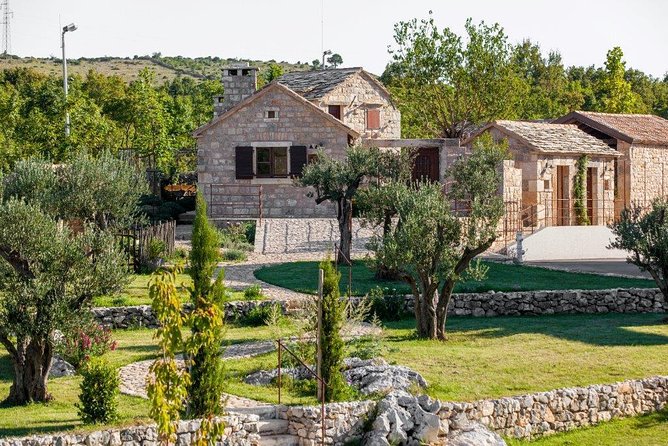
Stella Croatica is designed as a one-stop introduction to Dalmatian food and handmade products. That broad focus gives you more variety than a visit devoted only to olive oil. In a single outing, you can learn about cultivation, production, distillation, cooking, and natural cosmetics.
I see this as a useful choice if your time in the Split area is limited. You get a compact look at several local traditions without committing to a full-day food tour. The setting near Klis also gives the experience a different feel from a city tasting room. It is based at an estate, with gardens and production areas rather than just shelves and tables.
The family-run character matters, too. Stella Croatica is not presented as a generic retail stop. The aim is to show how regional ingredients become products, then let you taste or test the finished result. That makes the visit more useful for anyone who wants context before shopping.
The tour is priced at $17.98 per person. For that fee, you receive the guided estate visit, museum access, olive oil education and tasting, samples of traditional foods, and the chance to test natural cosmetics. Since lunch is not included, you can keep the cost modest or turn the stop into a longer meal and shopping visit.
More Klis fortress and Salona trips:
- Split: Klis Sunset Sightseeing Bus Tour
★ 4.4 · 494 reviews - Split: Klis Fortress GOT and Olive Museum Entry Tickets
★ 4.6 · 283 reviews - Split: Historical Tour of Salona, Klis Fortress and Trogir
★ 4.1 · 108 reviews
A guided walk through the estate
Your visit begins at Stella Croatica in Mihovilovići, Klis. The tour starts at noon and returns to the same meeting point, so the plan is simple once you arrive. Confirmation is provided when you book, and the activity has a mobile ticket.
The estate tour gives structure to what could otherwise feel like a large shop. You are guided through the different parts of the property and shown how various products are grown and made. That explanation is important because many of the items on sale are connected to the land and to local food customs.
The staff members named for the experience include Ines, Dragica, and Fani. Different people may handle the welcome, tour, and tasting portions. The available feedback gives particular credit to the team for making the visit engaging, so expect a friendly presentation rather than a dry technical lecture.
The maximum group size is 20 people. That is not a private tour, but it is small enough to make questions practical. If you are curious about a particular oil, ingredient, or cosmetic product, the format should give you a reasonable chance to ask.
Inside the Olive Museum
The Olive Museum is the central stop. Here, the story moves from the olive tree to the finished bottle. You learn about the role of olives in Dalmatian food and culture, then move into the more practical question of what separates a high-quality extra virgin olive oil from an ordinary one.
The tasting is the strongest educational feature. Instead of sampling one oil with no comparison, you taste different varieties and learn what to notice. This may include differences in aroma, flavor, and overall character. The supplied details do not specify the exact oils or tasting method, so you should expect a guided comparison rather than a fixed list of named bottles.
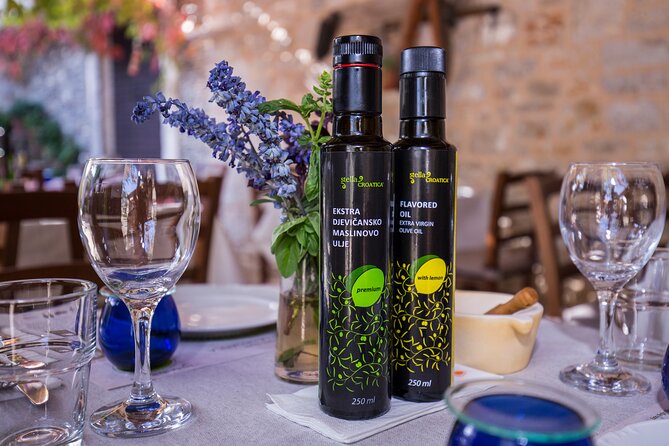
That lesson has real value after your holiday. Olive oil is a common purchase in Croatia, and attractive packaging does not always tell you much about what is inside. Knowing how premium oil should taste gives you a better chance of choosing well at the estate shop or elsewhere.
I also like that the tasting is tied to production. The museum is not just a display of objects. It supports the explanation of why the oil matters and how it reaches the bottle. If you have never had a formal olive oil tasting, this is likely the part that gives the visit its clearest purpose.
The main caution is that the tour is short. You will get an introduction, not an advanced course in olive cultivation or oil chemistry. If you already know a great deal about olive oil, the session may feel basic. For most people, though, that simplicity is an advantage.
The distillery and essential oils
The estate also includes a distillery where essential oils are extracted. This adds another layer to the visit and shows how plants can be used beyond food. The guide explains the production process, giving you a look at a different kind of small-scale craft.
This stop is useful because it prevents the tour from becoming a single-subject tasting. Olive oil remains the main focus, but the distillery connects the gardens and plant life with health and beauty products. You can see how the estate uses local materials across several product lines.
The available details do not list the exact plants or explain how long you spend inside the distillery. Keep your expectations at the level of a guided introduction. You will learn how essential oils are extracted, but this is not advertised as a technical workshop where you produce your own oil.
For shoppers, the connection between the distillery and the concept store is helpful. You can see the process first, then examine finished natural cosmetics later. That sequence makes the products easier to understand and gives you a clearer reason to buy, if something catches your eye.
More wine tastings around Split:
- From Split: Krka Waterfalls, Food & Wine Tasting Tour
★ 5.0 · 9,326 reviews - From Split: Krka Waterfalls, Food & Wine Tasting Tour
★ 4.9 · 6,598 reviews - Krka National Park Tour with tour Guide & Wine tasting from Split & Trogir
★ 5.0 · 1,625 reviews - Split: Krka Waterfalls With Boat Cruise, Wine and Olive Oil
★ 4.3 · 1,507 reviews
A stroll through the botanical gardens
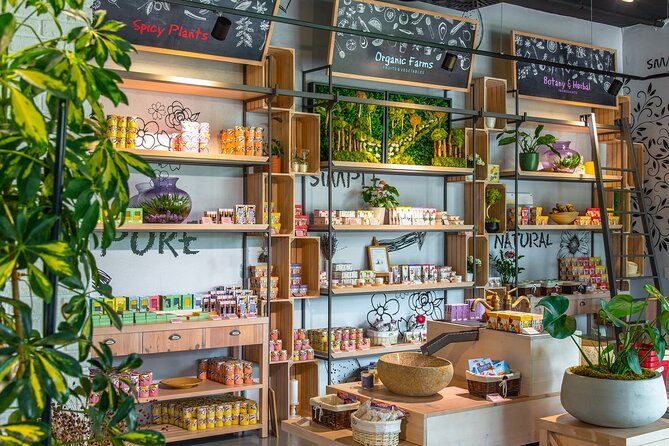
The botanical gardens provide a change of pace after the museum and production areas. You can walk through the grounds while seeing some of the plant setting behind the estate’s products. The gardens also help break up the tasting and indoor explanations.
I like this part because it makes the visit feel like a property tour, not simply a sales presentation. The grounds and facilities have been described as clean and well maintained, which matters when you are spending time outdoors and moving between stops.
The gardens are not presented as a major public garden attraction, so do not book this experience solely for a long botanical walk. The visit is guided and compact. Think of the gardens as one piece of a larger food and culture experience.
This stop may suit families and mixed-interest groups particularly well. One person can focus on plants, another on food, and another on cosmetics. The range of subjects gives the hour more variety than an oil tasting alone.
Tasting Dalmatian food and testing natural cosmetics
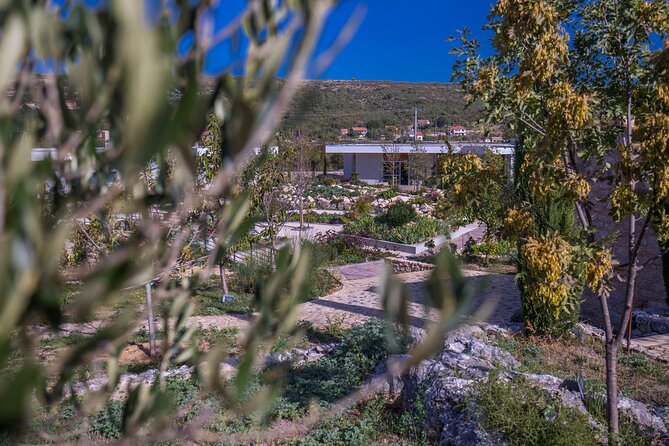
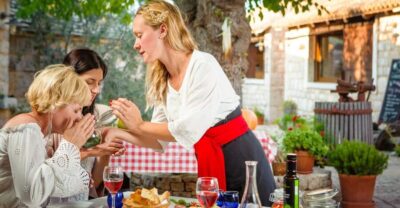
After the olive oil education, you sample traditional gastro delicacies. The exact menu is not specified, so you should not expect a guaranteed list of dishes. The useful point is that the tasting connects the oil to regional eating habits rather than treating it as an isolated ingredient.
This is where the cultural side of Stella Croatica becomes most clear. Food traditions are easier to understand when you taste them, and the samples give you a chance to compare the oil with familiar local flavors. It also helps you decide which products you may want to take home.
The final part takes place in the concept store, where you can test natural cosmetics. This is a practical touch. You are not limited to reading labels or looking at attractive packaging. You can examine the products and try them before deciding if they suit you.
The shop may tempt you to spend beyond the tour price, so set your own limit. The admission fee covers the experience and samples, but any purchases are extra. If you enjoy food gifts, skincare, or essential-oil products, this is likely to be one of the most useful parts of the visit. If shopping is not your interest, you can treat it as a brief final stop.
Add lunch at the traditional tavern
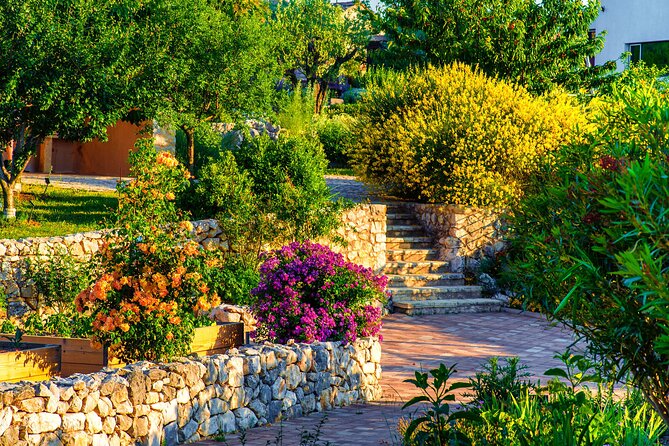
Lunch is not included, but you can book a meal in the traditional tavern after the tour. This is a good option if you want the visit to fill more of your day, especially since the activity ends back at the meeting point.
Keeping lunch separate has one advantage: you control the total cost. Pay only for the 75-minute tour if you want a short stop, or add the tavern meal if you prefer a fuller food experience. The supplied details do not provide the lunch price or menu, so ask for those when arranging it.
The noon start also makes lunch timing convenient. You finish around 1:15 p.m., assuming the tour runs to its expected length. That lets you move directly into a meal rather than trying to fit one before the visit.
Price, timing, and group size
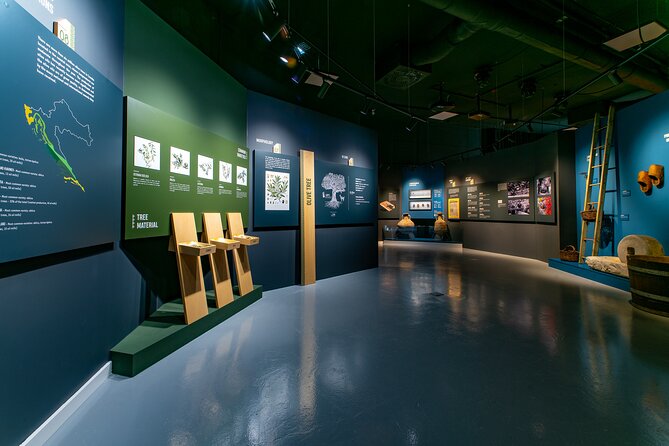
At $17.98, the tour offers solid value for a guided visit that combines several activities. You are not paying only for entry to a museum. The price includes the walk around the estate, the olive oil lesson and tasting, access to the Olive Museum, botanical gardens, traditional food samples, and cosmetic testing.
The short duration keeps the commitment easy. You can fit it into a day based in Split or combine it with other time in the Klis area. At the same time, you should not expect a slow, luxurious afternoon. The guide has several stops to cover, and the final shop portion may feel rushed if you ask many questions during the earlier sections.
The activity is limited to 20 people. That makes it more personal than a large coach-style stop, though it is not an exclusive private visit. Most people can participate, and the property is near public transportation. The meeting point is Mihovilovići, 21231, Klis, Croatia.
The experience is typically booked 13 days ahead. That is useful planning information if your dates are fixed. You have some flexibility, too: cancellation is free when made at least 24 hours before the start time. Changes or cancellations inside that window are not accepted for a refund.
Who will enjoy this visit most
I would recommend Stella Croatica to you if you like learning the story behind food before buying it. The olive oil lesson gives the visit a clear purpose, while the distillery, gardens, food samples, and cosmetics keep it varied.
It is also a good fit for families and groups with different interests. Someone who cares about cooking can focus on the tasting. Someone interested in plants or skincare has the gardens and essential-oil products. The compact format avoids the fatigue that can come with a long production tour.
This may be less satisfying if you want a large olive grove walk, a full meal included, or a long technical session on oil making. The available details describe a guided overview, not an agricultural workday or specialist course. You should also remember that the tour is outside Split proper, at the Klis meeting point.
Should you book the Olive Museum tour in Klis?
Book it if you want a short, well-organized introduction to Dalmatian food culture with more variety than a standard tasting. The combination of olive oil education, museum displays, essential-oil production, gardens, local delicacies, and natural cosmetics makes the $17.98 fee reasonable.
I would especially choose it if you are unsure how to judge extra virgin olive oil or want practical help selecting local products. The staff, including Ines, Dragica, and Fani, are part of the appeal, and the small maximum group size should keep the visit approachable.
Skip it if your priority is a long meal or a specialist olive-growing tour. For everyone else, this is an easy way to spend 75 minutes near Klis and come away with a better understanding of what you are tasting and buying.
FAQ
Where does the Olive Museum experience take place?
The tour takes place at Stella Croatica in Mihovilovići, 21231, Klis, Croatia.
What time does the tour begin?
The scheduled start time is 12:00 p.m.
How long does the experience last?
The visit lasts approximately 1 hour and 15 minutes.
What does the tour include?
It includes all fees and taxes, a guided visit to the estate and Olive Museum, botanical gardens, olive oil education and tasting, samples of traditional delicacies, and natural cosmetic testing.
Is lunch included?
No. You can book lunch separately at the traditional tavern after the tour.
How many people can join?
The maximum group size is 20 people.
Can I cancel for a full refund?
Yes. You can receive a full refund if you cancel at least 24 hours before the scheduled start time. Cancellations or changes made within 24 hours are not refunded.
More Museums in Split
- Blue Lagoon & Underwater Museum from Split with Lunch & Drinks
★ 4.5 · 1,122 reviews - SPLIT-PREMIUM Emperor’s Walking Tour for History Lovers + Museum
★ 5.0 · 333 reviews - Trogir: Boat tour to Unique underwater museum
★ 4.5 · 229 reviews - Visit Klis fortress GOT & Olive museum Klis
★ 4.5 · 77 reviews
More Food and Drink Tours in Split
- Split: Blue Lagoon and 3 Island Cruise with Food and Drinks
★ 4.8 · 1,969 reviews - Split/Trogir: Krka National Park Day Trip with Wine Tasting
★ 4.7 · 925 reviews - Full-Day Catamaran Cruise to Hvar & Pakleni Islands with Food and free Drinks
★ 5.0 · 670 reviews - Dubrovnik Guided Group Tour with Ston Oyster tasting from Split & Trogir
★ 5.0 · 538 reviews
Just added around Split
- From Makarska : Wine Tasting Grabovac Tour★ 4.5 · 30 reviews
- Essential Diocletian’s Palace Tour for First-Time Visitors★ 4.8 · 19 reviews
- Unique vintage Tomos moped tour Split – Back to the ’80s★ 4.8 · 17 reviews
- Walking Tour Split★ 4.7 · 61 reviews
- Trogir; Private walking tour of higlights of Trogir★ 4.7 · 3 reviews
- Trogir: White Lagoon, Maslinica & Blue Lagoon Speedboat Tour★ 4.8 · 11 reviews
- Trogir 1.5-Hour City Tour★ 4.4 · 37 reviews
- Split: Trogir Open Top Bus Trip + Free Split Walking Tour★ 4.1 · 17 reviews
Klis Fortress & Salona Tours from Split, compared.

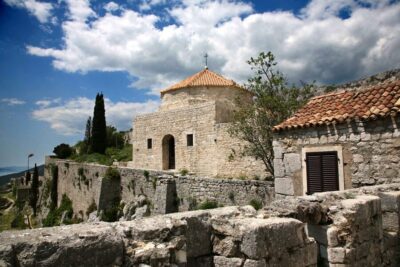
Split: Klis Fortress GOT and Olive Museum Entry Tickets
Read our review →
Split: Historical Tour of Salona, Klis Fortress and Trogir
Read our review →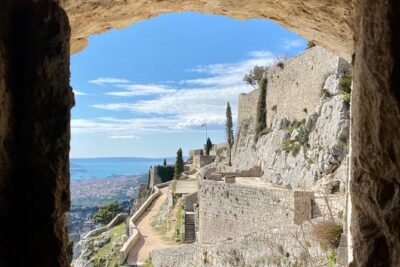
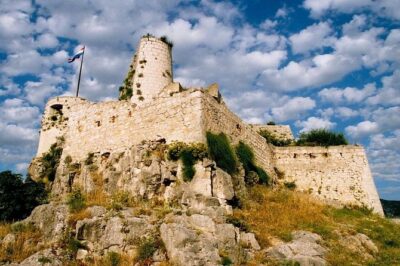
Private Split & Klis Fortress Tour, Olive Museum & Port Pickup
Read our review →
Visit Ancient Salona, Mighty Klis Fortress and Stella Croatica
Read our review →Browse the lists this tour appears in