

Reviewed · SPLIT OLD TOWN WALKING TOURS
Split: Group or Private Walking Tour with Art Historian
Split is easiest to understand when you stop treating Diocletian’s Palace as a single monument. It is a living town, with homes, cafés, shops, laundry, churches, markets, and Roman stones all sharing the same tight streets. Josipa, an art historian connected with current archaeological work, helps you read those layers instead of simply pointing at them.
I especially like the route’s mix of famous sights and overlooked corners, and I like that it ends in Varoš, one of Split’s oldest neighborhoods. Josipa is described as friendly, cheerful, and easy to approach, with the patience to answer many questions. The main drawback is physical: expect several unavoidable steps, uneven old-town walking, and no entry to the paid interiors.
Key points to know before you book
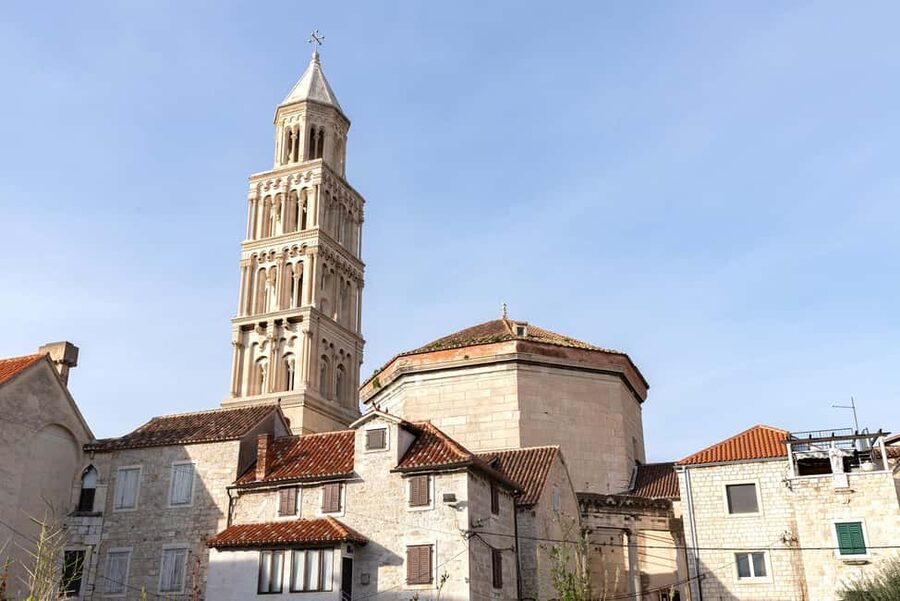
- Art historian guide: Josipa leads the tour in English and brings an academic eye to architecture, archaeology, and daily life.
- Roman and modern Split together: Walk original Roman streets, pass medieval squares, and see how old buildings still serve practical modern uses.
- Private or small group: Choose a private walk for a more tailored outing, or a small group for an intimate setting with room for questions.
- Two hours, tightly planned: The route covers many sights, so expect steady walking and short stops rather than long visits inside monuments.
- Paid sites are viewed from outside: The Cellars, Cathedral, and Temple of Jupiter are explained but not entered.
- Good local orientation: Josipa can suggest when to visit Split and Croatia, plus how to return to paid sights on your own.
Why this Split walking tour feels different
Many city walks in Split focus on the basic Roman story: Emperor Diocletian built a palace, the palace became a town, and here is the main square. That outline is useful, but it leaves out the best part. Split is interesting because people kept adapting the place for centuries.
Josipa’s approach is built around those changes. You’ll look at walls, street widths, reused stone, gates, and buildings that reveal how Roman, medieval, Venetian, and modern Split overlap. The goal is not just to memorize names. You learn how to notice the clues yourself after the tour ends.
The price is $32 per person for two hours. That is a fair rate for an English-language walk led by a licensed local guide, particularly if you choose the small-group format. A private tour offers more value if your party has specific interests, such as Roman architecture, church art, archaeology, or the way local neighborhoods developed.
The tour does cover a lot of ground. You will not spend twenty minutes at every stop, and you will not enter the major paid sights. Think of this as a smart orientation and interpretation walk, not a full museum visit.
More walks through the old quarter in Split:
- Split: Old Town and Diocletian Palace Walking Tour
★ 4.9 · 4,727 reviews - Walking Tour of Split and Diocletian’s Palace
★ 5.0 · 2,588 reviews - Krka Waterfalls tour with Trogir Walking tour and Krka panoramic boat cruise
★ 5.0 · 1,659 reviews
Starting in Strossmayer Park
Meet Josipa around the fountain in Strossmayer Park, also called Djardin. The park sits just above the Golden Gate, close to the statue of Gregory of Nin. Search for Strossmayer Park or Strossmayerova Fountain on your map, then look for the yellow and blue Aspalathos Guided Tours sign.
Starting here is practical. You begin outside the palace walls, with a little breathing room before entering the crowded old center. Josipa can explain the shape of the city before the narrow lanes make it harder to see the larger plan.
Arrive on time, especially in summer. Traffic into Split can be heavy, and the stated waiting limit is ten minutes after the scheduled start.
From Gregory of Nin to the Golden Gate
The first short stop is the statue of Gregory of Nin, a major Croatian religious and cultural figure. It is also an easy landmark for getting your bearings near the northern entrance to the old center.
From there, you reach the Golden Gate. This was the grand northern entrance to Diocletian’s Palace, and its scale helps you understand that the palace was not simply a luxurious residence. It was a fortified complex with formal entrances, defensive walls, and carefully planned access.
The stop is brief, around ten minutes, so listen for the details that help you interpret the gate rather than expecting a long architectural lecture. The route then moves toward Sv. Martin, a small church set into the old defensive structure. Its position shows how later religious buildings took advantage of the palace walls and spaces.
Silver Gate, Peristyle, and Jupiter’s Temple
The walk continues to the Silver Gate, another entrance into the palace. Seeing more than one gate makes the original layout clearer, especially when Josipa compares their purpose and setting.
Then comes Peristyle, the ceremonial heart of the palace. This is one of the busiest and most photographed places in Split, but a guide can help you look beyond the obvious columns and open space. The proportions, surrounding buildings, and reused architectural pieces all tell part of the story.
Jupiter’s Temple is next. The tour does not enter the temple, and that matters if you are hoping for an interior visit. Instead, Josipa explains its role and gives you suggestions for seeing paid sites later on your own. This keeps the walk within two hours but means you should budget extra time if you want to visit the Cathedral, Temple of Jupiter, or Substructures separately.
More history walks in Split:
- Walking Tour of Split with a ‘Magister’ of History
★ 5.0 · 1,122 reviews - Split Walking Tour with Professor of History
★ 5.0 · 926 reviews - Split: History and Heritage Walking Tour
★ 4.9 · 650 reviews - Split History and Gastro Small-Group Tour with Food and Drinks
★ 5.0 · 375 reviews
Narrow streets and the Vestibul
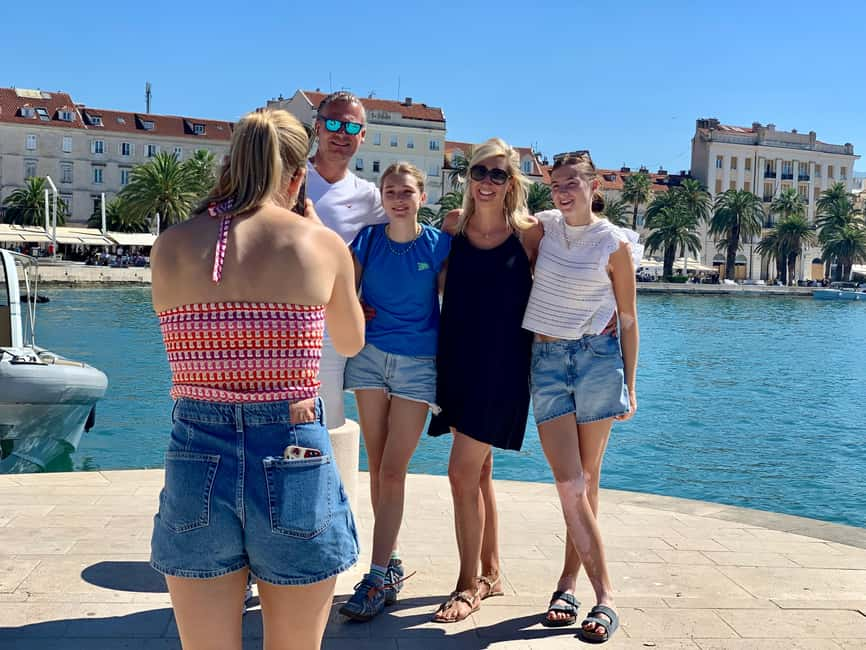
The tiny Street Let Me Pass gives you a taste of Split’s old-town humor and cramped medieval layout. It is a short stop, but the lane helps show how the formal Roman plan was altered by later daily life.
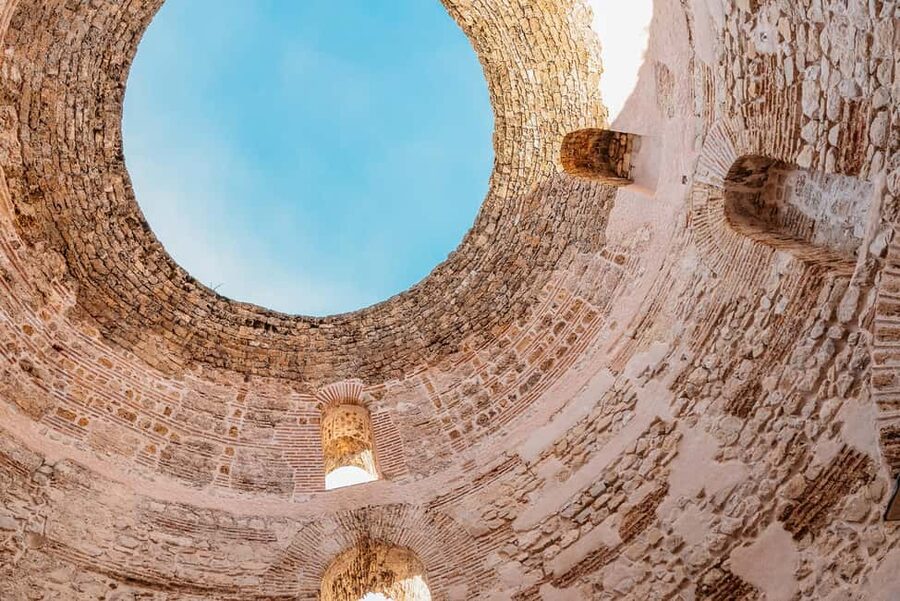
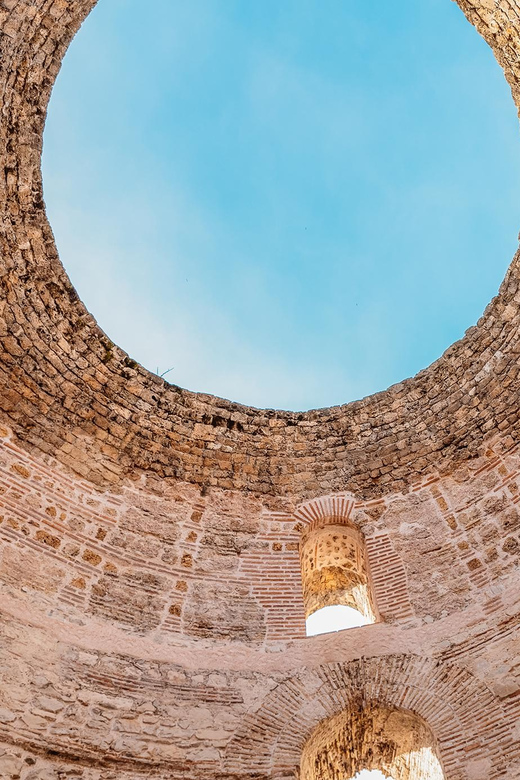
At the Vestibul, you get a photo stop and a closer look at one of the palace’s most memorable architectural spaces. The round chamber once served as an entrance area to the imperial apartments. Its shape and acoustics make it easy to understand why this spot attracts attention, even during a quick visit.
Next comes Triklinij, connected to the palace’s ceremonial and residential functions. These short stops work best when you let Josipa connect them. On your own, you might see isolated ruins. With her guidance, you can begin to picture how the palace operated as a planned Roman complex.
The Cellars and the shift from palace to town
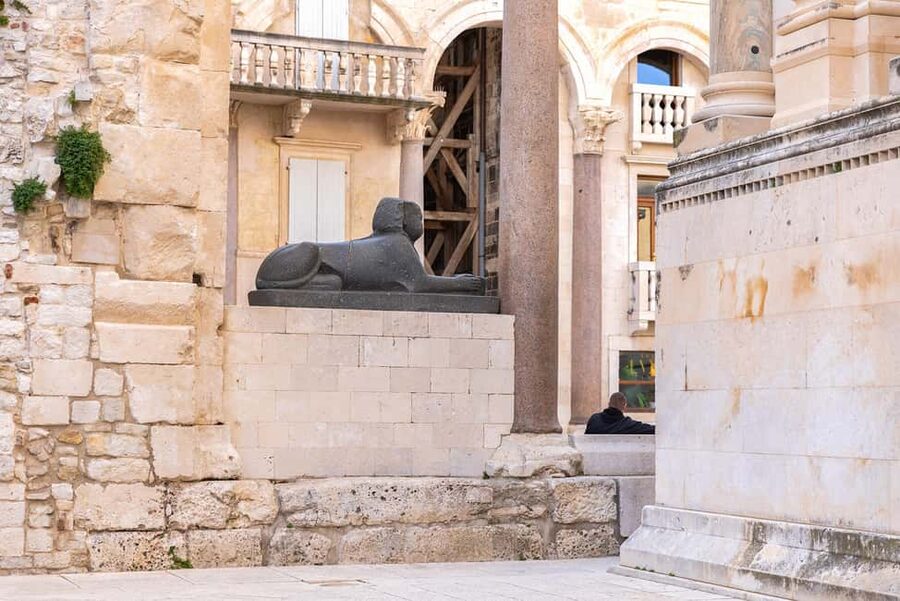
Diocletian’s Cellars are among Split’s most important sights, but this tour passes by rather than entering. The lower chambers preserve the palace plan and help explain the arrangement above them. Josipa will tell you what makes the Substructures important and how to visit them later.
This is one of the tour’s clearest tradeoffs. You get context before deciding how much more time to spend inside, but admission is not included. If you want to explore the Cellars at length, plan a separate visit.
The value here is the connection between archaeology and ordinary life. Split’s center was not frozen as a museum. The Roman structure became the framework for later homes, businesses, churches, and public spaces. That ongoing reuse is what gives the old center its unusual character.
The Riva, markets, and public squares
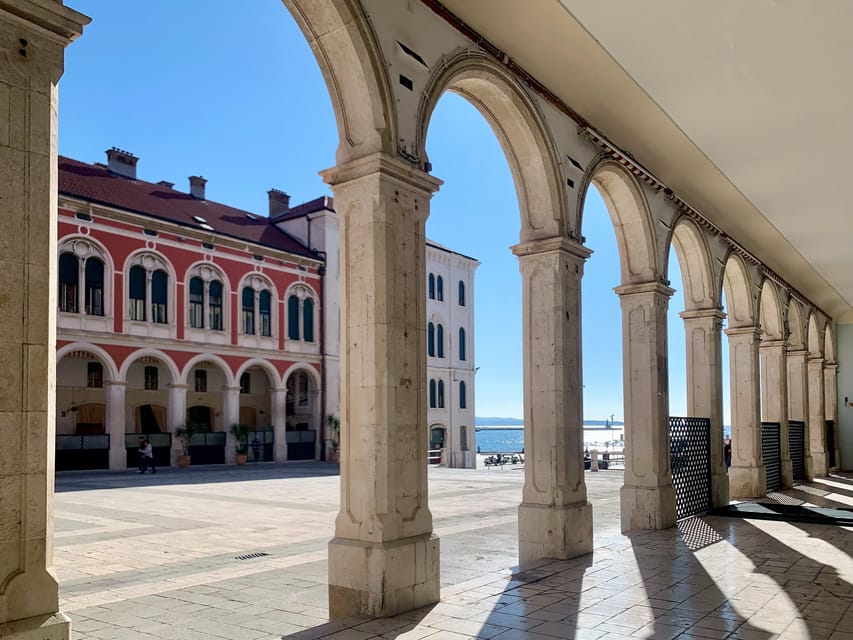
The route then opens onto the Riva, Split’s waterfront promenade. This is a welcome change after the narrow lanes, and it gives you a broader view of how the old center meets the sea. Josipa also uses the stop to explain the city’s present-day rhythm and offer local advice about timing your stay.
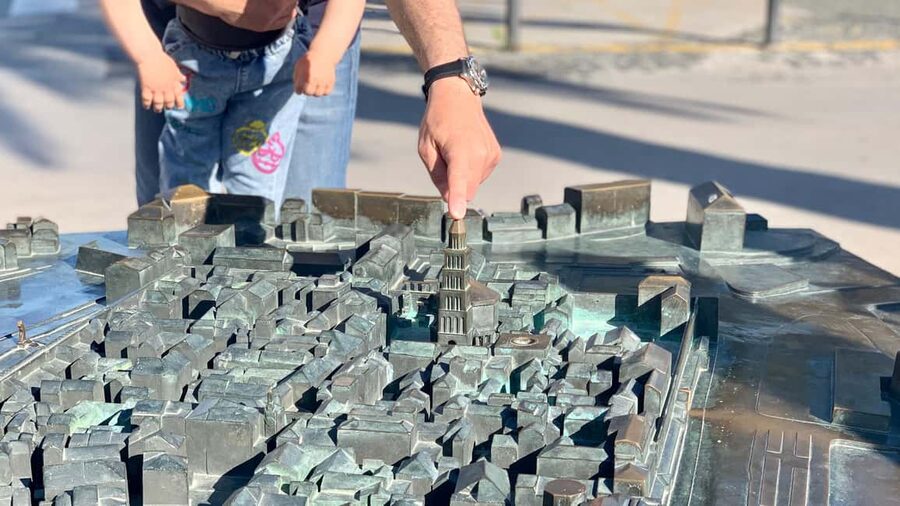
A model of Split follows, giving you a chance to see the city’s layout in miniature. This can be especially helpful after walking through the palace, since the streets often feel like a maze at ground level.
Fruit Square is next. Its name reflects the traditional market life that once centered here, and the square also shows how Split’s public spaces changed over time. At People’s Square, the setting becomes more civic and open, with a different feel from the enclosed Roman core.
The Fishmarket adds another everyday detail. This is not just a sightseeing stop. It shows that the old center still serves local routines, not only visitors with cameras.
Republic Square closes the public-square portion of the walk. The broad space contrasts with the tight palace lanes and gives Josipa another place to explain the city’s changing urban design.
Finishing in Varoš

The final stretch points toward Varoš, an old neighborhood with a more residential character. This is a smart ending because it moves you away from the most obvious palace route and shows how Split feels beyond its headline monuments.
You’ll hear about preserved Roman elements and the ways buildings have been reused over the centuries. The experience description identifies Varoš as the ending area, while the listed drop-off points are Trg Šperun and Republic Square. Since the general activity details also describe a return to the meeting area, confirm the exact finishing point when you book or meet Josipa.
Varoš is useful for independent exploring after the tour. It gives you a sense of how older local districts connect with the palace, rather than leaving you with only the polished waterfront and central squares.
What the two hours are really like
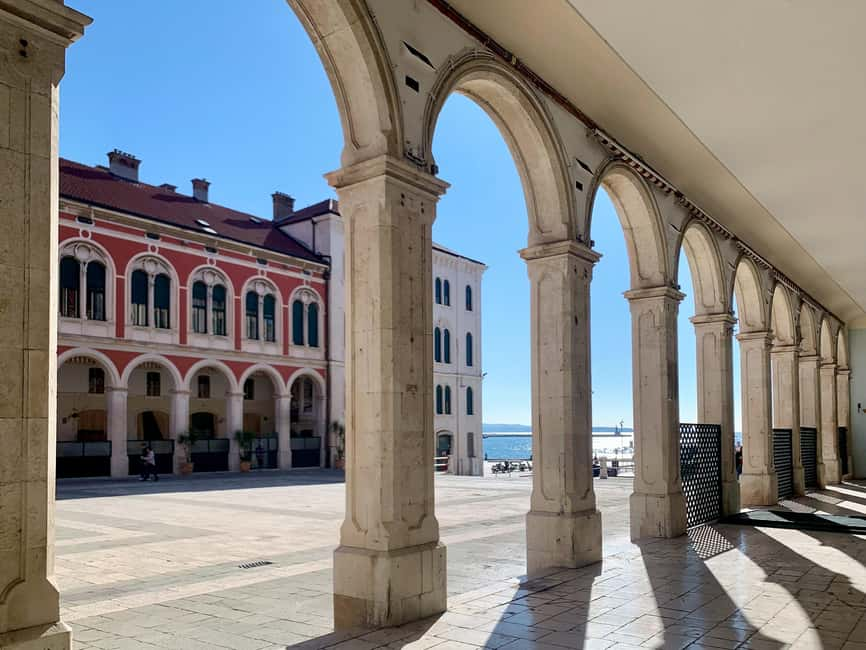
The itinerary lists many stops, but most are short. Several receive about five minutes, while Peristyle, the Vestibul, the Cellars, the Riva, and Republic Square receive closer to ten. You should expect a continuous walking route with frequent explanations, not long seated breaks.
The route includes steps and old-town surfaces. It is not suitable for wheelchair users or people with mobility impairments, and the supplied information also says it is not suitable for people with hearing impairments. The tour runs rain or shine, so practical shoes and weather protection matter.
Because the guide adapts the walk in real time, your questions can shape the conversation. A private booking is the best choice if you want to spend more time on one subject. A small group should suit you if you want the benefit of conversation without the cost of a fully private outing.
How Josipa’s guiding style adds value
The strongest feature here is not the number of monuments. Split already has plenty of those. It is Josipa’s ability to explain how to look at the city.
The experience is designed to include facts that may not appear in a standard guidebook, along with links to ongoing archaeological fieldwork. That does not mean every stop becomes an academic lecture. The useful promise is that you will leave with a method: notice the stone, the street line, the reused column, the position of a doorway, and the way later buildings fit around Roman remains.
A friendly, approachable guide matters in a city where questions quickly multiply. You can ask why one wall survived, how a temple changed purpose, or how residents live inside the old palace. Josipa’s background and reported patience with questions make this a good fit for curious visitors who prefer explanation over a scripted checklist.
Practical value at $32
At $32, you are paying for a two-hour licensed guide, an efficient route, and an introduction to the parts of Split that can be difficult to interpret alone. The cost is strongest if you are visiting for a short time, arriving from a cruise, or want help before exploring paid interiors independently.
The value is lower if you only want to enter the Cathedral, Temple of Jupiter, or Substructures, since admission is not part of the tour. It is also less suitable if you dislike a brisk walking pace or prefer to linger at one landmark.
Free cancellation up to 24 hours before the start and the reserve-now, pay-later option make the booking less rigid. Still, check the starting time carefully, since availability changes by date.
Should you book the Aspalathos walk?
Book it if you want Split explained as a living city rather than a list of Roman ruins. The route covers the essential landmarks, adds lesser-seen streets and neighborhoods, and gives you a guide who can adjust the conversation to your interests.
Choose the private option for focused questions or a personal pace. Choose the small-group option for a more economical but still conversational experience. Skip it if you need step-free access, want every paid monument entered, or would rather explore at your own slow pace.
For most first visits, I see this as a strong opening walk. It gives you the palace, the old town, the waterfront, the markets, and Varoš in one compact outing, then leaves you better prepared to return to the places that deserve more time.
FAQ
How long does the Split walking tour last?
The tour lasts two hours. Starting times depend on availability when you book.
Who leads the tour?
Josipa, a licensed local guide and art historian, leads the tour. She is the owner of Aspalathos Guided Tours.
Is the tour offered privately?
Yes. You can choose a private tour for a more personalized experience or a small-group tour with an intimate setting.
What language is the tour in?
The live tour guide speaks English.
Where does the tour begin?
It begins around the fountain in Strossmayer Park, also called Djardin. Search for Strossmayer Park or Strossmayerova Fountain on your map.
How will I recognize the guide?
Josipa will hold a yellow and blue sign marked Aspalathos Guided Tours.
Does the tour enter the Cellars, Cathedral, or Temple of Jupiter?
No. The tour passes these sites and explains their importance, but paid admission is not included. Josipa provides suggestions for visiting them later.
Is the tour suitable for wheelchair users?
No. The route includes unavoidable steps and is not suitable for wheelchair users or people with mobility impairments.
What happens if it rains?
The tour runs rain or shine. Bring suitable clothing and shoes for the weather and the old-town walking surfaces.
Just added around Split
- From Makarska : Wine Tasting Grabovac Tour★ 4.5 · 30 reviews
- Essential Diocletian’s Palace Tour for First-Time Visitors★ 4.8 · 19 reviews
- Unique vintage Tomos moped tour Split – Back to the ’80s★ 4.8 · 17 reviews
- Walking Tour Split★ 4.7 · 61 reviews
- Trogir; Private walking tour of higlights of Trogir★ 4.7 · 3 reviews
- Trogir: White Lagoon, Maslinica & Blue Lagoon Speedboat Tour★ 4.8 · 11 reviews
- Trogir 1.5-Hour City Tour★ 4.4 · 37 reviews
- Split: Trogir Open Top Bus Trip + Free Split Walking Tour★ 4.1 · 17 reviews
Split Old Town Walking Tours, compared.
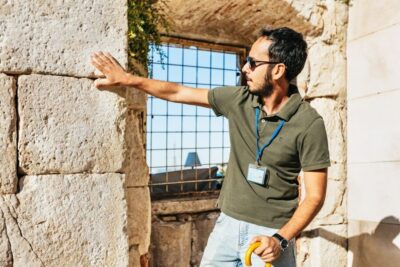
Split: Old Town and Diocletian Palace Walking Tour
Read our review →
Walking Tour of Split and Diocletian’s Palace
Read our review →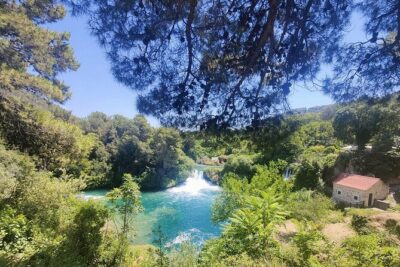
Krka Waterfalls tour with Trogir Walking tour and Krka panoramic boat cruise
Read our review →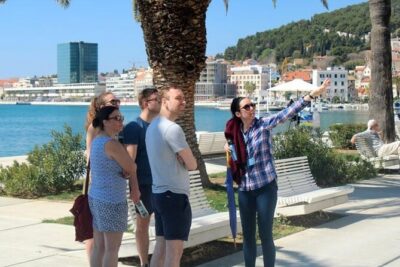

Walking Tour of Split with a ‘Magister’ of History
Read our review →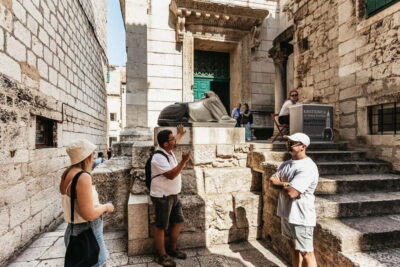
Split: Diocletian Palace & Old Town Guided Walking Tour
Read our review →
From Split: Krka Waterfalls Cruise & Trogir Walking Tour
Read our review →
Browse the lists this tour appears in