
Reviewed · SPLIT OLD TOWN WALKING TOURS
Trogir: City Highlights Guided Walking Tour
Trogir’s best stories are tucked into its narrow lanes, carved stonework, and café-lined waterfront. This 90-minute walking tour gives you a useful introduction to a town founded in the 3rd century BC, with local guides such as Blanka, Daniela, Kristina, and Christina bringing the past into everyday life.
I like two things here: the small-group feel often leaves room for questions, and the tour connects grand history with ordinary Dalmatian life, from family stories to the morning coffee ritual. The main drawback is its short length. You will see the town’s highlights, but you will not have time for every museum or interior.
Key points at a glance
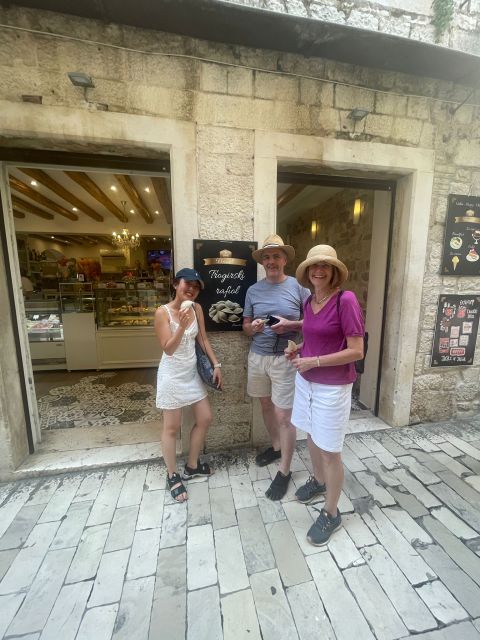
- Start at the North City Gate: Meet at Sjeverna gradska vrata, the main entrance into Trogir’s old town.
- See a UNESCO-listed island town: Trogir’s historic center has been on the UNESCO World Heritage list since 1997.
- Hear local stories, not just dates: Guides explain legends about Kairos, the Greek god of a happy moment, along with personal and family memories.
- Look closely at Cathedral of St. Lawrence: The stone details become easier to appreciate with a guide pointing them out.
- Finish by the sea: The Trogir Promenade adds palm trees, sea air, cafés, and a look at daily local life.
- Good value at $17: You get an English-speaking guide and 90 minutes of orientation without paying for transportation or admissions.
Why a short walk works well in Trogir
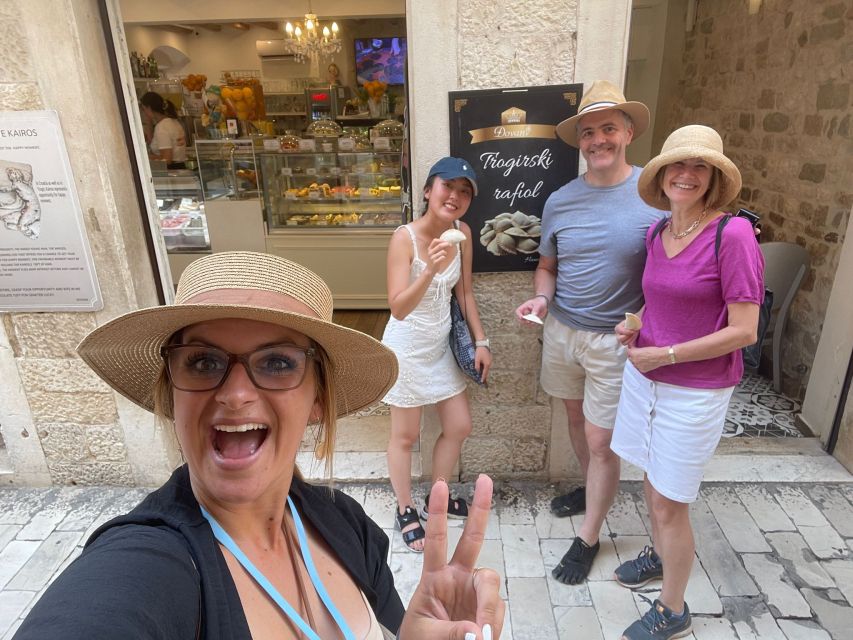
Trogir is compact, and that makes a walking tour a sensible first activity. The old town sits on an island, joined to the mainland and nearby Čiovo, with a dense center of stone lanes and monuments. You can cover a lot on foot without spending time getting from one sight to another.
The town’s long story is part of the appeal. Greek settlers founded it in the 3rd century BC, and later periods left their mark in the streets, churches, walls, and public spaces. A guide helps you read those layers instead of seeing only a pretty Adriatic town.
At $17 per person, the price is modest for a live, 90-minute introduction. I would think of it as an orientation walk rather than a full historical study. It can help you decide where to return later, especially if you have a free afternoon for Cathedral of St. Lawrence or another sight.
The tour is offered in English and is listed as wheelchair accessible. Still, the old town has narrow streets and historic paving, so anyone with mobility concerns should confirm that the route suits their needs when booking. Transportation is not included, but that is rarely a problem if you are already in Trogir.
More Old Town Walking Tours in Trogir
- Krka Waterfalls tour with Trogir Walking tour and Krka panoramic boat cruise
★ 5.0 · 1,659 reviews - From Split: Krka Waterfalls Cruise & Trogir Walking Tour
★ 4.7 · 681 reviews - Trogir walking tour with a local guide
★ 5.0 · 129 reviews
Meeting at the North City Gate
The tour begins at Sjeverna gradska vrata, the main city gate. This is a useful meeting point because it puts you right at the edge of the old town, where the change from modern streets to stone lanes is immediate.
Arrive ready to walk rather than expecting a coach-style sightseeing trip. Comfortable shoes matter. The route passes through historic streets and monument-lined spaces, and you will get more from it if you can look up at façades, pause for photographs, and keep pace without worrying about sore feet.
The gate also sets the tone for the tour. Trogir’s old center is not a collection of isolated sights. It is a living town, and the guide leads you through streets where homes, shops, churches, cafés, and historic buildings share the same tight spaces.
Your guide may be Blanka, Daniela, Kristina, Christina, Ana, Mihaela, or another member of the local team. The strongest part of the guiding style is its personal touch. Daniela, for example, is often praised for blending city history with family stories and memories of growing up in Trogir. Blanka is noted for explaining both the past and modern Croatian life.
That personal approach matters because Trogir’s story includes more than architecture. You hear how the city developed, how people live today, and how Croatia’s difficult recent past shaped local life. Sensitive subjects are handled as part of the town’s wider story rather than dropped in without context.
Narrow lanes and the story of Kairos
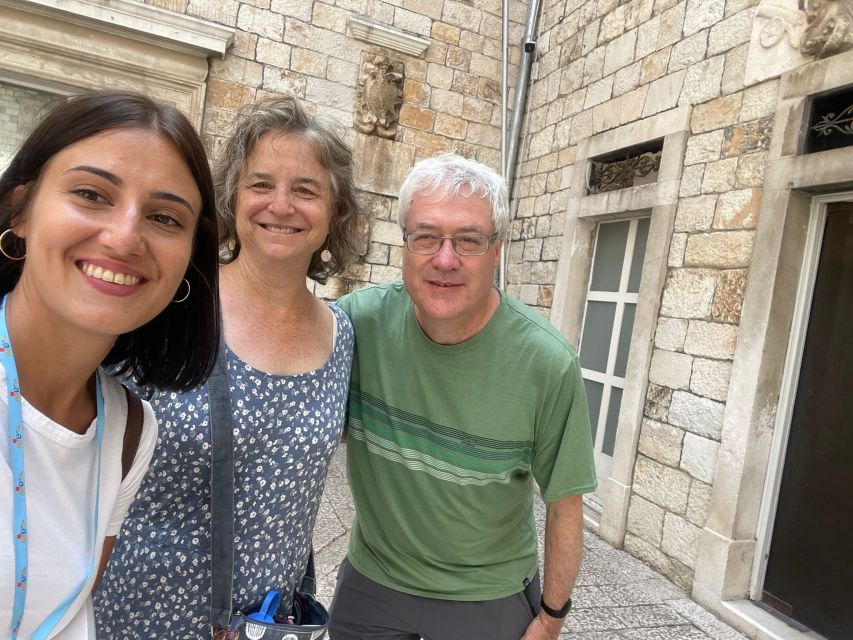
Once inside the old town, expect a relaxed walk through lanes lined with stone buildings and monuments. The streets are close together, so a guide can point out small details that are easy to miss when you explore alone.
One unusual thread is Trogir’s connection with Kairos, the Greek god associated with a happy or opportune moment. The story gives the town a touch of legend and helps show how ancient ideas remain part of local identity.
I like this sort of detail because it makes a place easier to remember. Dates and rulers can blur together after a few days in Croatia. A story about Kairos, tied to a specific town and its old streets, gives you something you can carry into the rest of your visit.
The guide also explains how Trogir changed over the centuries. The tour does not simply point at an old wall and name it. It gives you a sense of why the town took its present shape and how different periods left marks on the center.
Do not expect every building to receive a long lecture. The time limit means the guide has to keep moving. That is useful if you want a broad introduction, but less useful if you prefer to spend twenty minutes on one church or architectural detail.
Cathedral of St. Lawrence and the value of looking closely
Cathedral of St. Lawrence is one of the most important stops. Its stonework and details reward a slower look, and a guide can direct your attention to features you might pass without noticing.
An independent walk will show you the cathedral’s impressive exterior. A local guide adds the why and the where to look. The tour is especially useful if you enjoy architecture but do not want to read a long guidebook entry while standing in the sun.
The available information does not promise a full interior visit or a separate admission ticket, so you should treat the cathedral as a guided landmark stop rather than assume you will receive an extended indoor tour. If entering the cathedral is a priority, ask your guide about the timing and any separate arrangements.
This is one reason I would book the walk early in your Trogir stay. After the tour, you can return to the cathedral with a better idea of what deserves attention. You can also use the guide’s suggestions to shape the rest of your time in the old town.
More walks through the old quarter in Trogir:
- From Split: Half-Day Tour of Trogir Old Town in Small Group
★ 4.9 · 77 reviews - Trogir: Old Town Guided Walking Tour
★ 4.6 · 76 reviews - Trogir Old Town & Klis Fortress from Split
★ 5.0 · 38 reviews - Private Krka waterfalls & Trogir old town
★ 4.5 · 31 reviews
UNESCO history without a classroom feel
Trogir’s old town has been on the UNESCO World Heritage list since 1997. That designation recognizes the historic character of the island center, but the tour keeps the subject grounded in what you can actually see.
You move past medieval landmarks, stone façades, old lanes, and public spaces rather than stopping for a formal lecture about heritage policy. The result is more practical. You learn why the center matters while standing among the buildings that make it special.
The UNESCO label can sometimes make a place feel like a museum. Trogir feels more lived-in than that. The tour draws attention to its historic value without losing sight of the fact that people still work, meet, shop, and drink coffee here.
Guides also add local detail. Several are from Trogir or have strong ties to the town, and that helps explain small features that a general guidebook may skip. You might hear about local customs, changes in daily life, or the way residents view the city today.
The Trogir Promenade and the morning coffee ritual
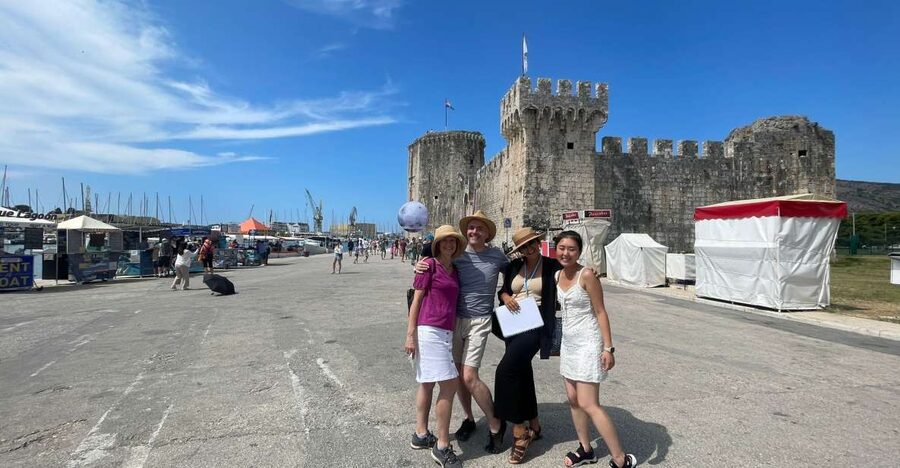
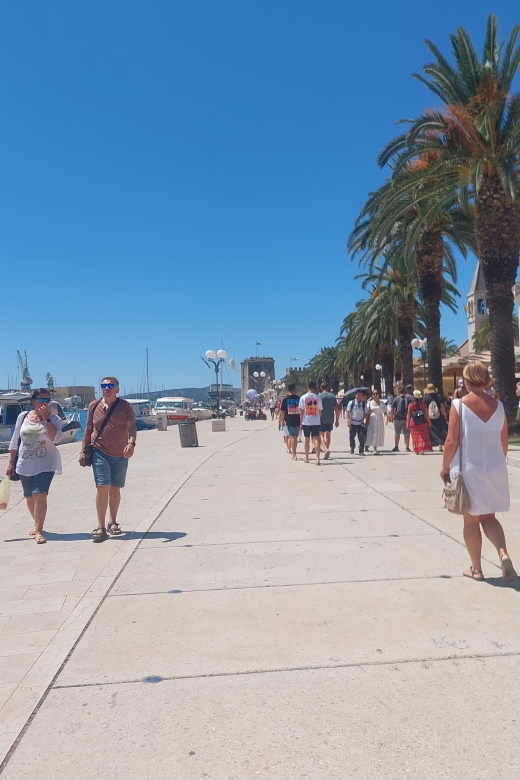
The final part of the walk heads toward the Trogir Promenade. This is a welcome change of pace after the close lanes of the old center.
Palm trees line the waterfront, and the sea air gives the walk a fresh finish. The promenade is also a good place to watch local routines. The tour highlights the Dalmatian habit of starting the morning with coffee, conversation, and time spent outdoors.
That detail may sound small, but it is one of the tour’s useful strengths. You are not only seeing monuments. You are getting a glimpse of how the town works today.
The promenade also gives you a chance to take photographs from a more open setting. In the old town, you will focus on doorways, towers, carvings, and narrow views. By the water, you can step back and appreciate Trogir’s seaside character.
The walk returns to the original meeting point. Since the tour lasts about an hour and a half, you should still have time afterward for lunch, a museum, a swim, or independent exploring.
What the guides add
The guide makes or breaks a short walking tour, and this one benefits from a team with a clear local connection. Names appearing in the guide roster include Blanka, Daniela, Kristina, Christina, Ana, Mihaela, and Nebojsa.
Daniela is particularly strong at mixing historical background with family experiences and childhood memories. That approach turns a list of dates into something easier to follow. Blanka is described as warm and helpful, with a good balance between Trogir’s past and present-day life.
Kristina is noted for storytelling and for showing visitors side streets and details they might miss alone. Christina also brings family stories into the account of Trogir, stretching from the Greek settlers to modern times. Nebojsa is praised for covering many small details in a way that makes the 90 minutes pass quickly.
Of course, you cannot choose which guide you receive unless the booking system gives you that option. The safe expectation is an English-speaking local guide, not a guaranteed individual personality. The repeated strengths are friendliness, clear storytelling, local context, and willingness to answer questions.
Some tour groups are very small. One group had only two people, while another had four or six. That can make a big difference. A small group lets you ask about food, local customs, nearby Split, or places to return to later without holding up a large crowd.
Timing, weather, and what to bring
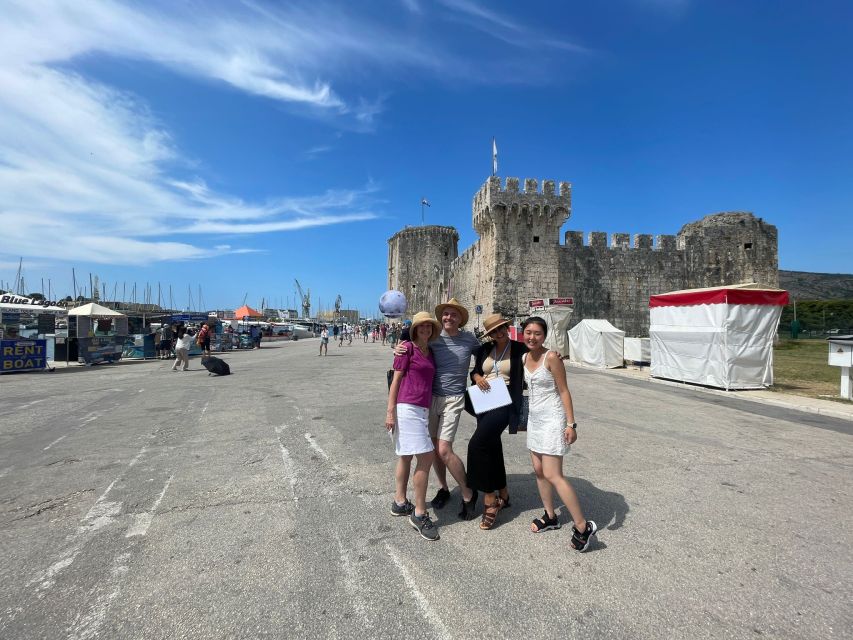
The tour runs for 90 minutes, with starting times based on availability. Morning and evening options may be offered, so check the schedule that fits your plans.
An evening walk can work well if you arrive in Trogir later in the day or want to avoid the strongest midday heat. A morning tour pairs naturally with the promenade and its coffee culture. Since the route takes place outdoors, the time of day affects comfort.
The tour operates rain or shine. Bring water, wear comfortable clothes and shoes, and check the forecast before leaving. Weather-appropriate layers are sensible because the waterfront can feel different from the sheltered old-town lanes.
You should also bring a phone or camera. The tour passes many historic monuments and gives you plenty of photo opportunities, though you will want to keep your attention on the guide rather than viewing the whole walk through a screen.
The tour is listed as wheelchair accessible. Historic centers can still present practical challenges, so share any mobility needs in advance and confirm the route details before you arrive.
Who will get the most from this tour
I would recommend this walk to first-time visitors, couples, solo visitors, families with older children, and anyone arriving from Split for a short stay. It gives you a clear sense of Trogir without consuming half a day.
It is also a good choice if you prefer history explained in plain language. The guide connects architecture, ancient roots, medieval development, Croatian history, and local life without asking you to absorb a long academic talk.
Solo visitors can benefit from the friendly format. A small group offers company, and the guide can help with practical questions. One solo visitor also appreciated stopping for traditional food and photographs, though food tasting should not be treated as a guaranteed part of every departure.
I would be less likely to choose it if you want extensive access to interiors, a private tour, or a slow architectural study. The tour covers highlights, and its value comes from breadth, local stories, and orientation. You will need to explore independently afterward if you want a more detailed look at individual monuments.
Is $17 good value?
Yes, if you use the tour as a starting point. For $17, you receive a live English-speaking guide and 90 minutes of context in a place where it is easy to wander past important details.
The value is strongest for people who would otherwise see Trogir only as a photogenic stop between Split and the coast. A guide gives the town a timeline, explains the UNESCO importance, and adds local voices to the architecture.
The price does not include transportation, museum tickets, or a guaranteed food tasting. That keeps the cost low, but you should budget separately for anything you want to visit after the walk.
Free cancellation up to 24 hours before the start and a reserve-now, pay-later option make the booking reasonably flexible. Check the current availability and terms when reserving, since starting times and conditions can change.
Should you book the Trogir walking tour?
Book it if you want a friendly, focused introduction to Trogir and value local stories as much as famous buildings. The combination of UNESCO-listed streets, Cathedral of St. Lawrence, Kairos, and the palm-lined promenade fits a lot into 90 minutes.
I especially like it for a first morning in town. You get your bearings, learn what deserves a second look, and finish with a sense of how locals use the waterfront. At $17, it is an easy choice for most visitors.
Skip it only if you already know Trogir well or want a long, detailed visit inside specific monuments. Otherwise, this is a practical way to turn a beautiful walk into a more meaningful one.
FAQ
How long is the Trogir City Highlights Guided Walking Tour?
The tour lasts 90 minutes, or one and a half hours.
How much does the tour cost?
The listed price is $17 per person.
Where does the tour meet?
You meet your guide at Sjeverna gradska vrata, the North City Gate and main gate of Trogir.
What language is the tour offered in?
The tour is conducted in English with a live guide.
Is transportation included?
No. Transportation is not included, so you need to make your own way to the meeting point.
Is the tour wheelchair accessible?
Yes, the activity is listed as wheelchair accessible. Because it takes place in a historic old town, confirm route details if you have specific mobility needs.
What should you bring?
Bring comfortable shoes, water, comfortable clothing, and clothing suited to the weather.
Does the tour operate in bad weather?
Yes. The tour takes place rain or shine.
Just added around Trogir
- Trogir; Private walking tour of higlights of Trogir★ 4.7 · 3 reviews
- Trogir: White Lagoon, Maslinica & Blue Lagoon Speedboat Tour★ 4.8 · 11 reviews
- Trogir 1.5-Hour City Tour★ 4.4 · 37 reviews
- Trogir: Old Town Guided Walking Tour★ 4.6 · 76 reviews
- Trogir Old City Walking Tour★ 5.0 · 8 reviews
- Private Transfer from Split Croatia Airport to Hotel★ 5.0 · 4 reviews
- Trogir Boat Tour To Secret Underwater Museum★ 5.0 · 50 reviews
- Trogir Old Town History and Monuments Private Guided Walking Tour★ 5.0 · 5 reviews
Split Old Town Walking Tours, compared.
Split: Old Town and Diocletian Palace Walking Tour
Read our review →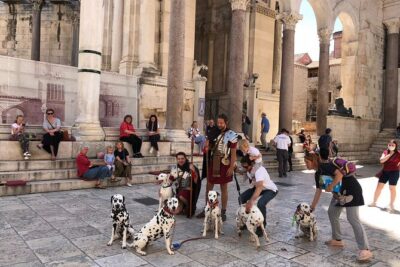
Walking Tour of Split and Diocletian’s Palace
Read our review →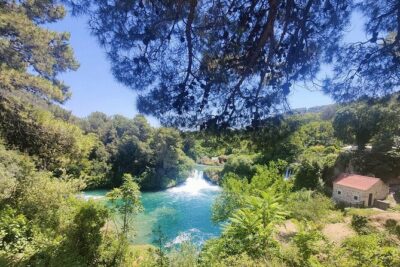
Krka Waterfalls tour with Trogir Walking tour and Krka panoramic boat cruise
Read our review →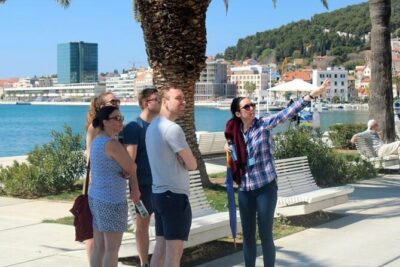
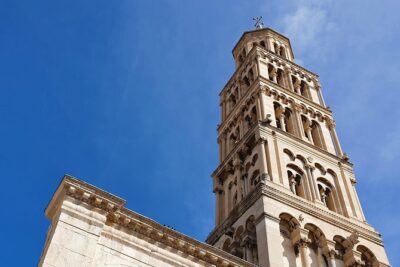
Walking Tour of Split with a ‘Magister’ of History
Read our review →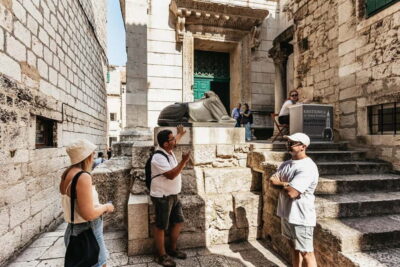
Split: Diocletian Palace & Old Town Guided Walking Tour
Read our review →
From Split: Krka Waterfalls Cruise & Trogir Walking Tour
Read our review →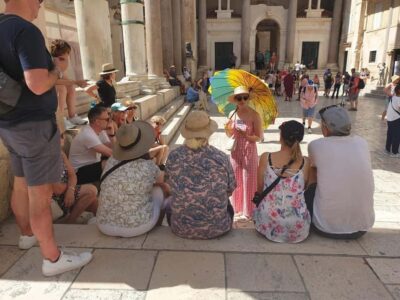
Browse the lists this tour appears in