
Reviewed · SPLIT HISTORY WALKING TOURS
Split History and Gastro Small-Group Tour with Food and Drinks
Split’s best introduction may be one you can eat. This small-group tour threads through Diocletian’s Palace and the Old Town, stopping for prosciutto, cheese, soparnik, seafood, pasta, wine, liqueur, and gelato. It gives you the city’s main sights and its table manners in one three-hour outing.
I like the easy mix of food and place, especially the Green Market tasting and the final sweets near the Riva. I also like the small maximum of 12 people, which leaves room for conversation with guides such as Ana, Hani, Ela, Doris, and Christina. The main consideration is that much of the menu is seafood, and the history portion can vary depending on your guide.
Key points to know
- Start with an orange spoon: Look for the guide outside Diocletian’s Palace at Hrvojeva 1.
- Eat your way through Split: Expect several stops with cured meats, cheese, seafood, pasta, risotto, wine, liqueur, and gelato.
- Morning and afternoon differ: The Green Market is closed in the afternoon, so those tastings move to local taverns.
- The group stays small: A maximum of 12 people makes it easier to ask questions and keep the meal social.
- Plan for seafood: Octopus, anchovies, mussels, shrimp, and black risotto are part of the food program.
- The tour ends near the Riva: You finish at Marmontova ul. 2, close to Split’s waterfront promenade.
A three-hour introduction to Split by fork and foot
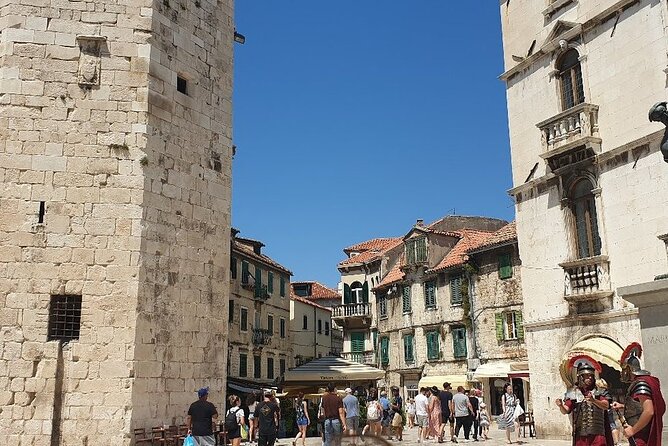
This is not a formal palace tour with a long lecture followed by a fixed lunch. It is a walking food crawl with history placed between bites. You move through central Split, hear about the city and its past, and eat at several stops rather than sitting down for one large meal.
The price is $139.13 per person. That is not cheap for three hours, but the package includes a good deal of food and all the listed wine and liqueur. You are paying for several tastings, restaurant coordination, a local guide, and the convenience of combining sightseeing with lunch or dinner. If you would rather choose one inexpensive konoba and order your own meal, this will feel costly. If you want a first-night orientation with many Croatian dishes in one sitting, the value is easier to see.
The tour is offered in English and usually sells well in advance, with bookings averaging 47 days ahead. That is worth noting if your Split dates are fixed. The meeting point is easy to identify: look outside Diocletian’s Palace for a person holding an orange spoon.
More food tours in Split:
- From Split: Krka Waterfalls, Food & Wine Tasting Tour
★ 5.0 · 9,326 reviews - From Split: Krka Waterfalls, Food & Wine Tasting Tour
★ 4.9 · 6,598 reviews - Split: Blue Lagoon and 3 Island Cruise with Food and Drinks
★ 4.8 · 1,969 reviews
The Green Market starts the meal
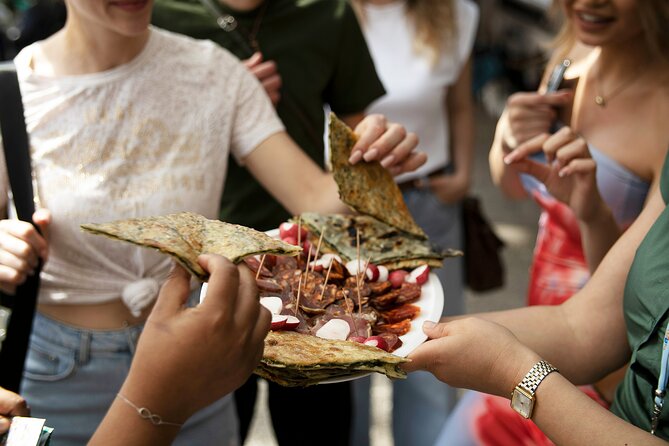
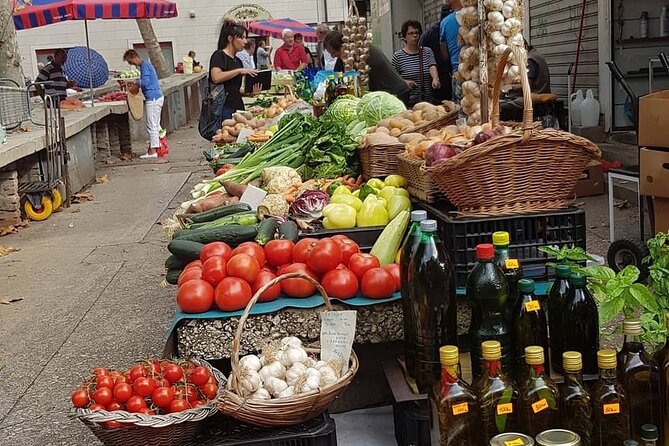
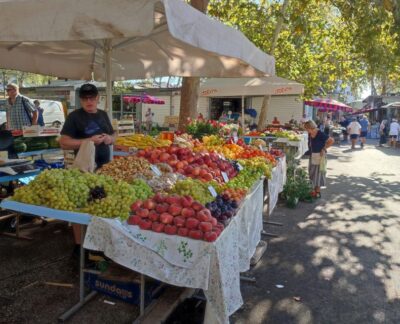
The first stop is Split’s Green Market, known locally as the city’s belly. This is where the tour makes a useful connection between what grows around Split and what appears on a Croatian table.
You can expect cured meat, cheese, traditional bread, and soparnik, a local savory pie. Depending on the season and the exact food selection, you may also taste prosciutto pate. The point is not simply to sample snacks. Your guide explains seasonal produce and gives you a sense of how local ingredients fit into everyday food.
This opening works well because it wakes up your appetite without filling you too quickly. The market also gives you a more grounded start than a restaurant alone. You see the food in its selling place, then encounter related dishes later in taverns and restaurants.
Timing matters here. The market is closed in the afternoon, so the afternoon version does not include a market visit. The same general foods are offered in local taverns instead. I would choose the morning option if seeing the market is important to you. Choose the afternoon option if you prefer octopus stew with gnocchi and liqueur, which are specifically part of that later schedule.
Narodni trg brings the history between courses
From the market, you walk through the Old Town to Narodni trg, the largest medieval square in Split. This stop is brief, about 10 minutes, but it helps break up the eating and gives the guide a clear place to explain the city’s architecture and development.
The square is described as a mix of medieval architectural styles. You will not spend the entire tour examining monuments in detail, but this is enough to help you notice how different periods sit close together in Split. The larger historical setting is Diocletian’s Palace, and the food stops take place inside the same central area rather than requiring transport.
This is one area where expectations matter. The tour promises history as part of the walk, not a dedicated archaeological tour. Several people enjoyed the historical explanations, and guides such as Ela, Doris, Hani, Christina, and Ana were praised for mixing local stories with food. One account found the history too limited and felt the guide spoke more about herself. I would book this for a taste of Split with historical context, not for a full account of the Roman palace.
Marmontova Street adds sweets and seafood
Marmontova Ulica is a French-style shopping street and home to Split’s biggest fish market. It is also one of the more varied food stops, depending on the time of day and the season.
Gelato is served on both morning and afternoon tours. This is a welcome pause after savory food and gives you a simple way to sample a traditional sweet stop without adding another full course. The dessert may instead be a traditional cake, with the exact choice depending on the season. Spring and summer ingredients can change the menu, and the food program is seasonal in general.
The afternoon itinerary adds octopus stew with gnocchi and a traditional sweet liqueur here. Octopus is not a universal favorite. One group found it less appealing, while other diners enjoyed the variety. If you are cautious about seafood, tell the provider about your diet before the tour and be ready for substitutions where possible.
The fish market setting also reinforces a useful point about Split cooking: seafood is not a side note. Tuna pate, salted and pickled anchovies, octopus, mussels, shrimp, and black risotto all appear in the sample menu. You should come expecting the sea to have a major role.
More history walks in Split:
- Walking Tour of Split with a ‘Magister’ of History
★ 5.0 · 1,122 reviews - Split Walking Tour with Professor of History
★ 5.0 · 926 reviews - Split: History and Heritage Walking Tour
★ 4.9 · 650 reviews - SPLIT-PREMIUM Emperor’s Walking Tour for History Lovers + Museum
★ 5.0 · 333 reviews
The restaurant courses are the heart of the tour
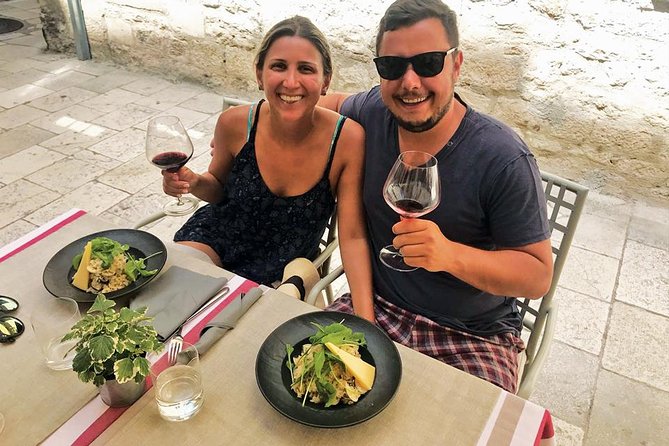
The tour moves on to local taverns and restaurants for larger portions. The menu can include a Mediterranean seafood plate with white wine, two kinds of seafood pasta, black risotto, noodles with truffles, or pasta with mussels and shrimp. The listed sample menu also includes tuna pate, anchovies, and a red wine course.
The exact dishes vary by season and the food program. That is normal for a food tour, but it means you should not treat every item on the sample menu as guaranteed. The provider specifically notes that ingredients may change in spring, summer, and fall.
The portions can be substantial. Several people found the food more than enough, especially when combined with the wine and multiple stops. This is good value if you arrive hungry, but do not eat a large lunch beforehand. You are not merely collecting tiny samples. You may finish with several proper dishes in you.
The wine is a strong part of the experience. White wine accompanies the seafood, red wine goes with heavier pasta or risotto, and the listed package includes all wine and liqueur. The minimum drinking age is 18. If you do not drink, you should check how nonalcoholic replacements are handled before booking, since the supplied details only specify that wine and liqueur are included.
Guides shape the balance of food and history
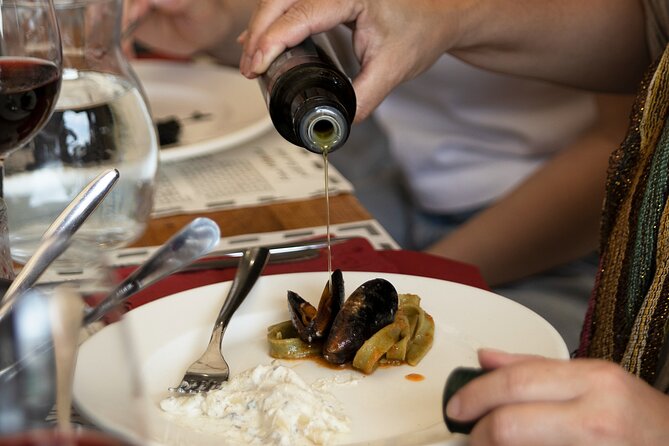
The guide is central to this experience. Ana is described as friendly and fun, and she handled food allergies carefully for one participant. Hani combined local food, history, cultural references, and personal stories. Ela kept her group together in crowded streets and paused in sensible spots before explaining Split.
Christina was praised for making the outing feel like lunch with a local friend, while Doris received strong marks for both her company and the generous food selection. Dubravka was singled out for setting a pleasant pace and explaining the palace. These details point to the tour’s greatest strength: a good guide can turn a sequence of tastings into a social introduction to Split.
The small group helps. With no more than 12 people, you have a better chance of hearing the guide and speaking with others at the table. Groups can be much smaller, sometimes only three or six people, though the final size depends on bookings. This setup suits solo visitors, couples, and people who enjoy sharing a meal with strangers from different places.
The tradeoff is consistency. The content and tone depend on the person leading your outing. You may receive a lively account of Split’s past, or a lighter food-focused walk with only a little history. If your top priority is detailed architecture and Roman-era interpretation, choose a dedicated palace guide instead.
What the meal says about Croatian cooking
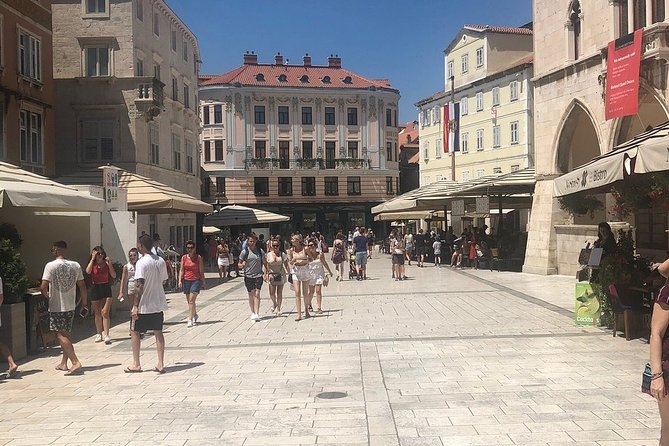
The menu offers a useful range rather than one signature dish. Prosciutto, cheese, bread, and soparnik show the simpler side of local eating. Anchovies, tuna pate, and seafood plates bring in the coast. Black risotto, pasta, gnocchi, and mussels show how filling starches are paired with fish and shellfish.
You may also encounter truffles, depending on the restaurant and the current menu. Gelato or traditional cake finishes the route. This progression is well judged: salty bites first, seafood and pasta in the middle, then a sweet finish near the waterfront.
Vegetarian, vegan, and gluten-free options are available, and allergies should be reported when you book. Still, the standard menu leans heavily toward seafood, so give clear details about what you cannot eat. The seasonal approach means substitutions may depend on the ingredients available that day.
The wine and liqueur make the meal feel generous, but they also affect the pace. You are walking between stops while eating several courses, so this is not the right choice if you want a quick snack tour. Give yourself the full three hours and avoid scheduling something immediately afterward.
Timing, walking, and the route’s practical side
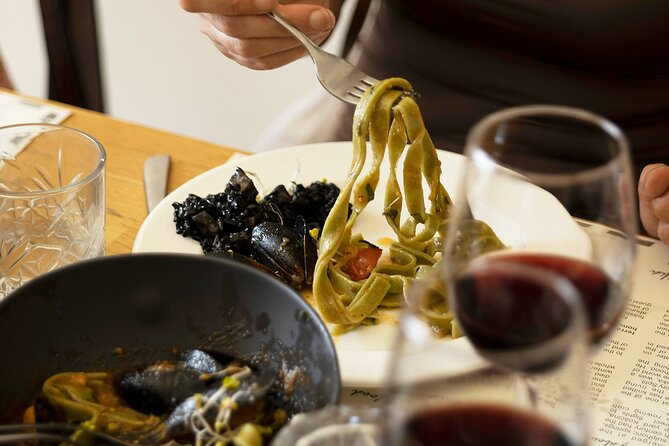
The route lasts about three hours and stays in central Split. There is no hotel pickup or drop-off. You meet at Hrvojeva 1 and finish at POROS D.O.O., Marmontova ul. 2, near the Riva Promenade.
You should be comfortable walking through the Old Town and standing at market and restaurant stops. A moderate level of physical fitness is requested. The route does not require a separate vehicle, which is useful if you are staying in central Split or arriving from the cruise port. The meeting point is within walking distance of the port, making the tour a practical option for a port day, provided your ship schedule leaves a comfortable margin.
Wear shoes suited to old-town streets and arrive ready to eat. The tour is not built around hotel comfort or long transfers. Its appeal is that the historical center, markets, eateries, and waterfront fit into one compact route.
Morning and afternoon are not identical. Morning includes the Green Market tasting. Afternoon replaces that market stop with tavern offerings and adds octopus stew with gnocchi and liqueur. If you are choosing based on food, compare those two versions rather than assuming the schedule is the same.
Price, group size, and cancellation
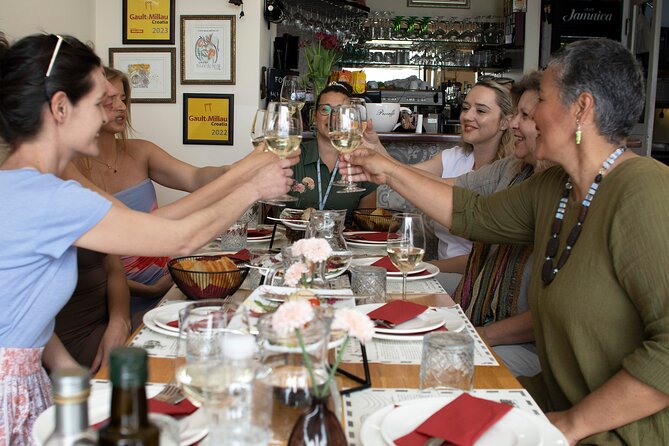
At $139.13 per person, this is a premium food walk. The price makes more sense when you count the included courses: cured meat, cheese, bread, pie or pate, seafood, pasta, risotto, wine, liqueur on the afternoon route, and dessert or gelato. It also covers the guide and several organized stops.
I would not book it solely to save money on lunch. You can certainly eat for less in Split. I would book it to combine a meal, orientation walk, local specialties, and conversation without having to research each restaurant yourself.
Free cancellation is available if you cancel at least 24 hours before the start time. Changes or cancellations inside that window are not accepted for a refund. The tour also needs a minimum number of participants. If that minimum is not met, you are offered another date or experience, or a full refund.
Who will enjoy this most
This suits you if you are visiting Split for the first time and want a quick sense of place. It is especially useful on your first day, since the route helps you recognize the Old Town, market area, shopping street, palace surroundings, and waterfront.
Food-curious eaters will get the most from it. You should be willing to try anchovies, octopus, black risotto, and shellfish, even if you normally order familiar dishes. The tour also works for couples and small groups who want a social meal with a local guide.
It is less suitable if you dislike seafood, need complete control over each dish, or want a long and technical history lecture. It may also feel expensive if you are mainly looking for a single restaurant meal. Children must be accompanied by an adult, and the drinking portion means families should consider the menu and timing carefully.
Should you book the Split food and history tour?
I would book this as an opening move in Split, particularly for a morning arrival or your first evening. The combination of palace streets, market food, seafood, Croatian wine, local sweets, and a small group gives you a practical introduction without spreading the experience over several days.
Choose the morning if the Green Market matters most. Choose the afternoon if octopus stew, gnocchi, and liqueur sound more appealing. Tell the provider about allergies or dietary needs in advance, and do not expect every sample dish to appear exactly as listed.
The deciding question is simple: do you want a polished restaurant dinner, or do you want to understand Split by walking, tasting, and talking? For the second choice, the price is reasonable enough, and the best guides can make the three hours feel like time spent with a local friend.
FAQ
How long does the Split food and history tour last?
The tour lasts approximately three hours.
Where does the tour begin?
It begins at Hrvojeva 1, 21000 Split, Croatia, outside Diocletian’s Palace. Look for the person holding an orange spoon.
Where does the tour finish?
It ends at POROS D.O.O., Marmontova ul. 2, 21000 Split, Croatia, near the Riva Promenade.
How many people can join the tour?
The maximum group size is 12 people.
Is the tour offered in English?
Yes. The experience is offered in English.
Is the Green Market included on the afternoon tour?
No. The Green Market is closed in the afternoon. Market foods are offered in local taverns instead.
What food and drinks are included?
Included items can include prosciutto, cheese, traditional bread, prosciutto pate or soparnik pie, seafood, seafood pasta, black risotto, traditional sweets or gelato, wine, and liqueur. Octopus stew with gnocchi and sweet liqueur are listed for the afternoon tour.
Are vegetarian, vegan, and gluten-free options available?
Yes. Vegetarian, vegan, and gluten-free options are available. You should provide details about dietary restrictions or allergies when booking.
Can I cancel for a full refund?
Yes, if you cancel at least 24 hours before the experience start time. Cancellations or changes made less than 24 hours before the start time are not refunded.
More Food and Drink Tours in Split
- Krka National Park Tour with tour Guide & Wine tasting from Split & Trogir
★ 5.0 · 1,625 reviews - Split/Trogir: Krka National Park Day Trip with Wine Tasting
★ 4.7 · 925 reviews - Full-Day Catamaran Cruise to Hvar & Pakleni Islands with Food and free Drinks
★ 5.0 · 670 reviews - Dubrovnik Guided Group Tour with Ston Oyster tasting from Split & Trogir
★ 5.0 · 538 reviews
Just added around Split
- From Makarska : Wine Tasting Grabovac Tour★ 4.5 · 30 reviews
- Essential Diocletian’s Palace Tour for First-Time Visitors★ 4.8 · 19 reviews
- Unique vintage Tomos moped tour Split – Back to the ’80s★ 4.8 · 17 reviews
- Walking Tour Split★ 4.7 · 61 reviews
- Trogir; Private walking tour of higlights of Trogir★ 4.7 · 3 reviews
- Trogir: White Lagoon, Maslinica & Blue Lagoon Speedboat Tour★ 4.8 · 11 reviews
- Trogir: Old Town Guided Walking Tour★ 4.6 · 76 reviews
- Trogir 1.5-Hour City Tour★ 4.4 · 37 reviews
Split History Walking Tours, compared.

Walking Tour of Split with a ‘Magister’ of History
Read our review →

SPLIT-PREMIUM Emperor’s Walking Tour for History Lovers + Museum
Read our review →
Split: Local History and Culture 90-Minute Walking Tour
Read our review →
Split: Historical & Gastro Treasures Tour with Green Market
Read our review →
Split: Walking tour of Split with a ‘Magister’ of History
Read our review →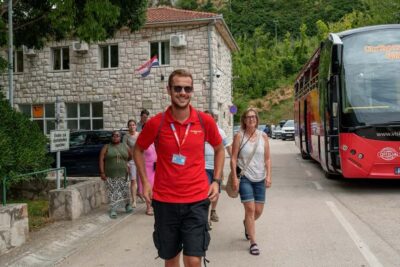
Split: Historical Tour of Salona, Klis Fortress and Trogir
Read our review →Browse the lists this tour appears in